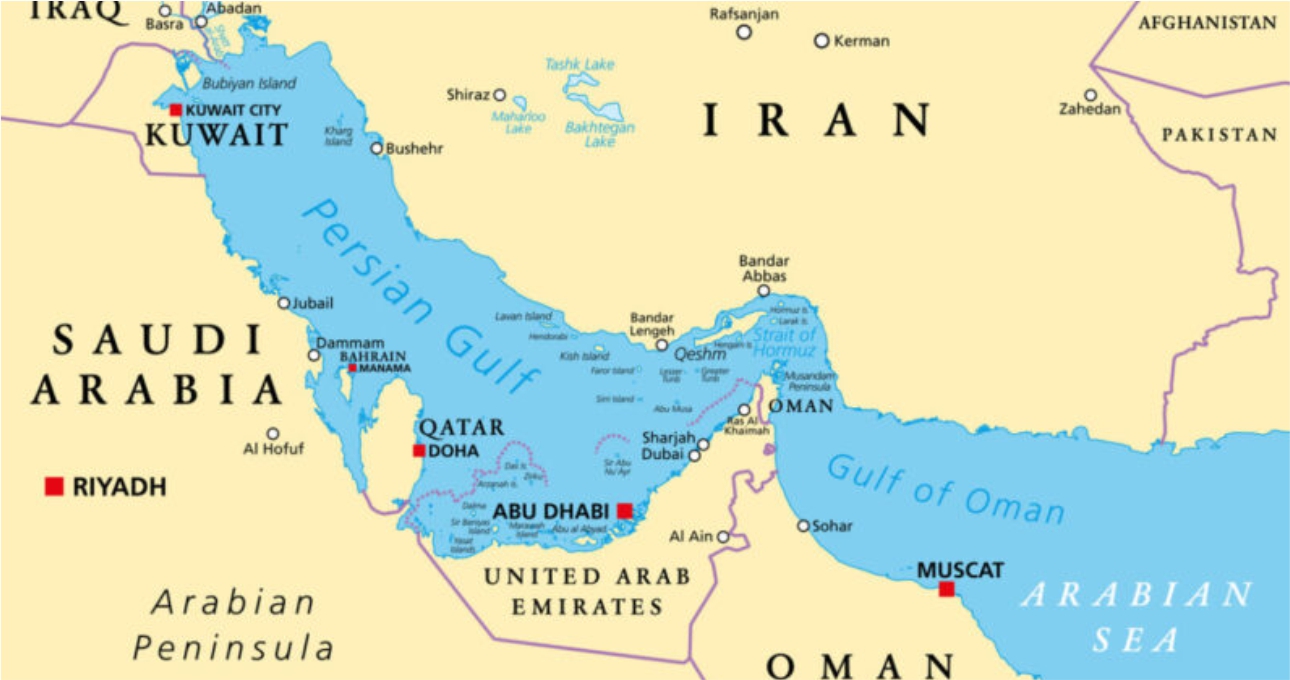
Iran has once again announced the closure of the Strait of Hormuz, one of the world’s most important oil shipping routes, citing continued Israeli military operations in Lebanon and the reported deaths of civilians. According to Iranian officials, the latest strikes violate the recently announced peace understanding and have increased tensions across the Middle East. The renewed closure has raised concerns among governments, energy companies, and financial markets due to the strategic importance of the waterway. Reports indicate that shipping activity has slowed significantly following the announcement.
The ongoing conflict in Lebanon continues to create humanitarian and diplomatic challenges. Iran has stated that the Strait of Hormuz will remain closed until military actions in Lebanon stop and the peace commitments are respected. At the same time, international mediators are working to reduce tensions through high-level negotiations involving regional and global powers. Diplomatic efforts are focused on restoring stability, protecting civilians, and preventing the conflict from expanding further across the region.
The renewed disruption has also increased uncertainty in global energy markets, as a large share of the world’s crude oil exports passes through the Strait of Hormuz. Analysts warn that a prolonged closure could affect oil prices, shipping costs, and international trade. While discussions between the concerned parties continue, the international community is urging restraint, respect for peace agreements, and immediate steps to safeguard civilian lives and maintain regional stability.