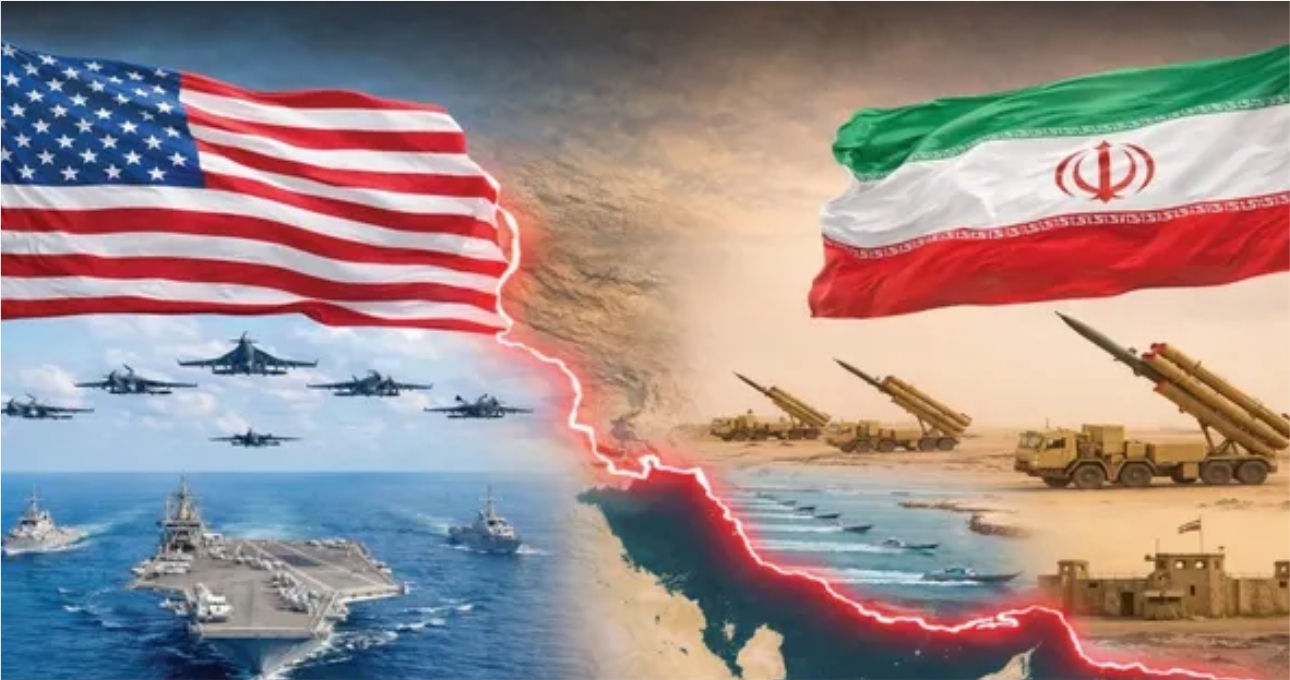
Tensions between the United States and Iran have increased after a new round of attacks around the Strait of Hormuz. The US military said it destroyed five Iranian oil tankers after Iran’s Revolutionary Guard targeted an American naval warship with ballistic missiles. Washington also said it has struck 10 Iranian tankers over the past week as part of a new policy of responding to threats against US warships. The attacks have renewed fears over security in the Gulf, one of the world’s most important energy routes, and pushed oil prices higher, with Brent crude rising above $100 a barrel during the escalation.
Iran responded by saying it had attacked 10 ships near the Strait of Hormuz, including two US vessels and eight oil tankers. Tehran described the operation as retaliation for the American strikes and warned that its response could become stronger if attacks on Iranian shipping continue. However, US Central Command denied that American vessels were successfully hit, saying the attempted attacks failed. Reports also confirmed damage to commercial vessels in the wider Gulf region, while at least one seafarer was killed and another was reported missing during the latest wave of maritime violence. Shipping through the strategic waterway has also fallen sharply as security risks increase.
The confrontation also spread beyond the sea. Iran launched ballistic missiles toward a US military base at Al-Azraq in Jordan, widening concerns that the conflict could affect more countries in the Middle East. Jordan said its air-defence systems intercepted 18 missiles, while two fell in unpopulated areas. A US official said American troops were accounted for. The latest exchange marks one of the most serious escalations in months and raises fresh concerns about a broader regional conflict, disruption to oil supplies and further attacks on military and commercial targets around the Gulf.