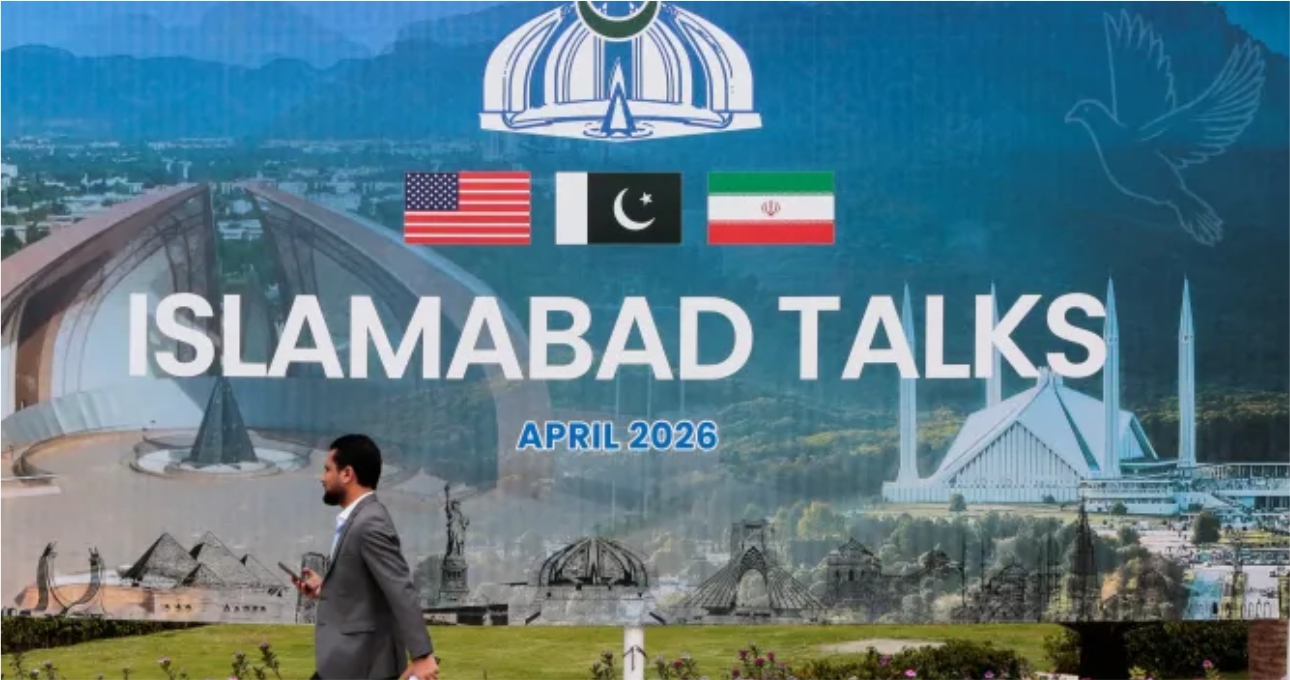
Iran and the United States have signed an interim peace deal aimed at reducing rising tensions in the Middle East and creating a path for continued diplomatic engagement. The agreement is being seen as an important step toward stability after months of pressure, conflict, and uncertainty in the region. Both sides have agreed to follow a 60-day roadmap, during which further discussions will continue on major issues including security, sanctions, regional conflict, and future cooperation.
According to diplomatic updates, the deal includes steps to maintain communication between both countries and avoid accidental escalation, especially around sensitive zones such as the Strait of Hormuz. The agreement also supports efforts to strengthen ceasefire arrangements linked to regional conflicts. While the development has brought cautious relief to global markets and international observers, officials have made it clear that several difficult matters are still pending and will require detailed negotiations in the coming weeks.
The Iran-US peace deal is expected to play a major role in shaping the next phase of Middle East diplomacy. Experts believe the agreement may help reduce military risks, improve regional coordination, and open doors for wider discussions on nuclear concerns, economic restrictions, and long-term peace measures. However, the success of the deal will depend on how strongly both sides follow the agreed roadmap and how effectively mediators manage future talks. For now, the agreement is being viewed as a positive but careful beginning toward reducing conflict and restoring diplomatic balance.