Police encounters in India have become a major issue of public debate, especially in Uttar Pradesh, where official and media reports have highlighted thousands of encounter operations in recent years. Supporters of such action say encounters help control organized crime, arrest dangerous criminals, and create fear among repeat offenders. However, critics argue that frequent police encounters can normalize instant punishment without trial, weakening the constitutional promise of due process and fair justice.
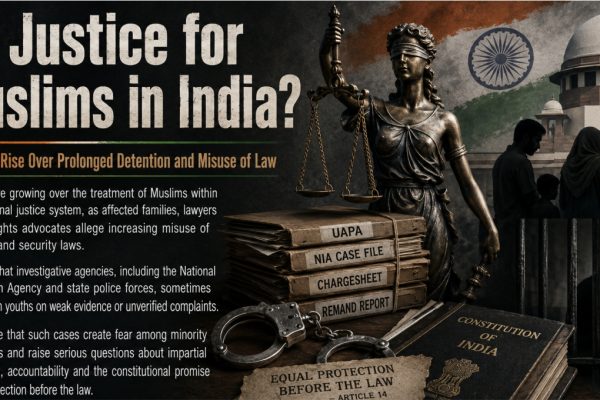
In Uttar Pradesh, reported figures show more than 17,000 encounter operations over the past nine years, with hundreds of accused persons killed and thousands arrested or injured. Human rights groups and legal experts have repeatedly raised concerns over transparency, independent investigation, and possible misuse of police power. Some activists have also alleged that minority communities, including Muslims, are disproportionately affected, though clear official religion-wise encounter data is not publicly established.
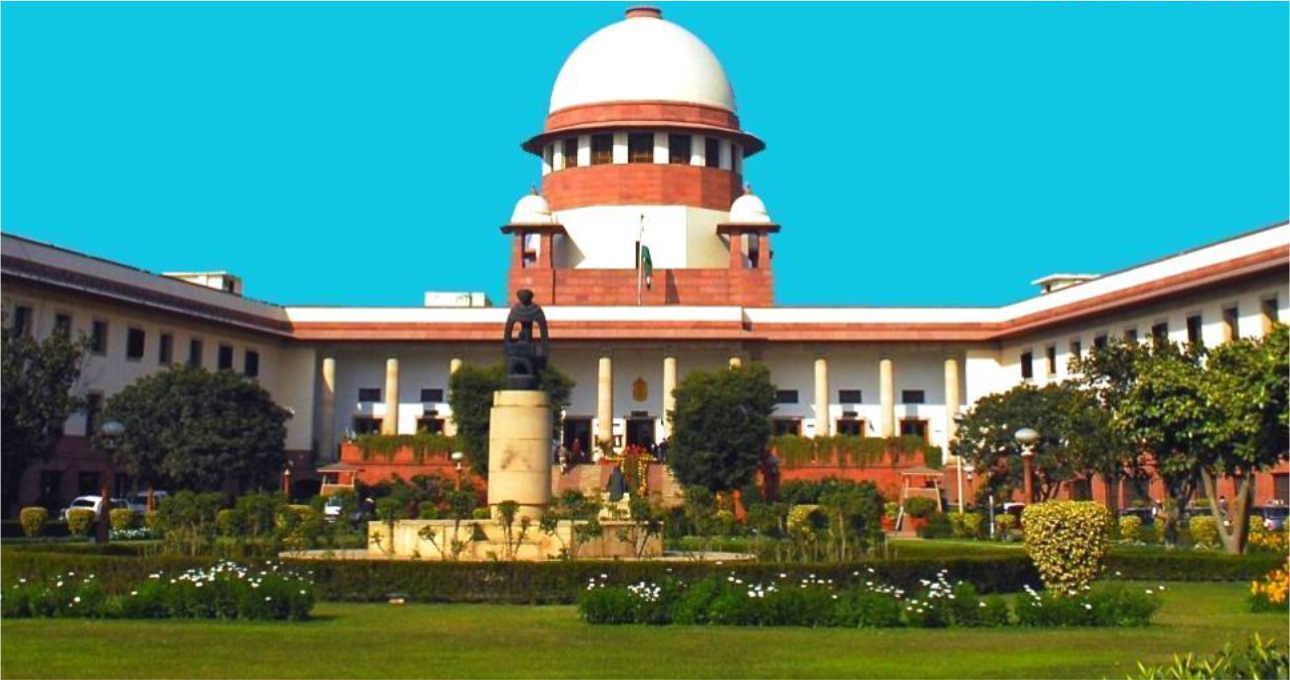
The main concern is not whether criminals should be punished, but whether punishment should happen through courts or bullets. In a democracy, even a serious accused person has the right to legal process. The Supreme Court has already laid down guidelines for police encounter cases, including independent investigation and magisterial inquiry. Therefore, every encounter must be examined carefully to ensure that policing remains lawful, fair, and accountable, not a shortcut to justice.