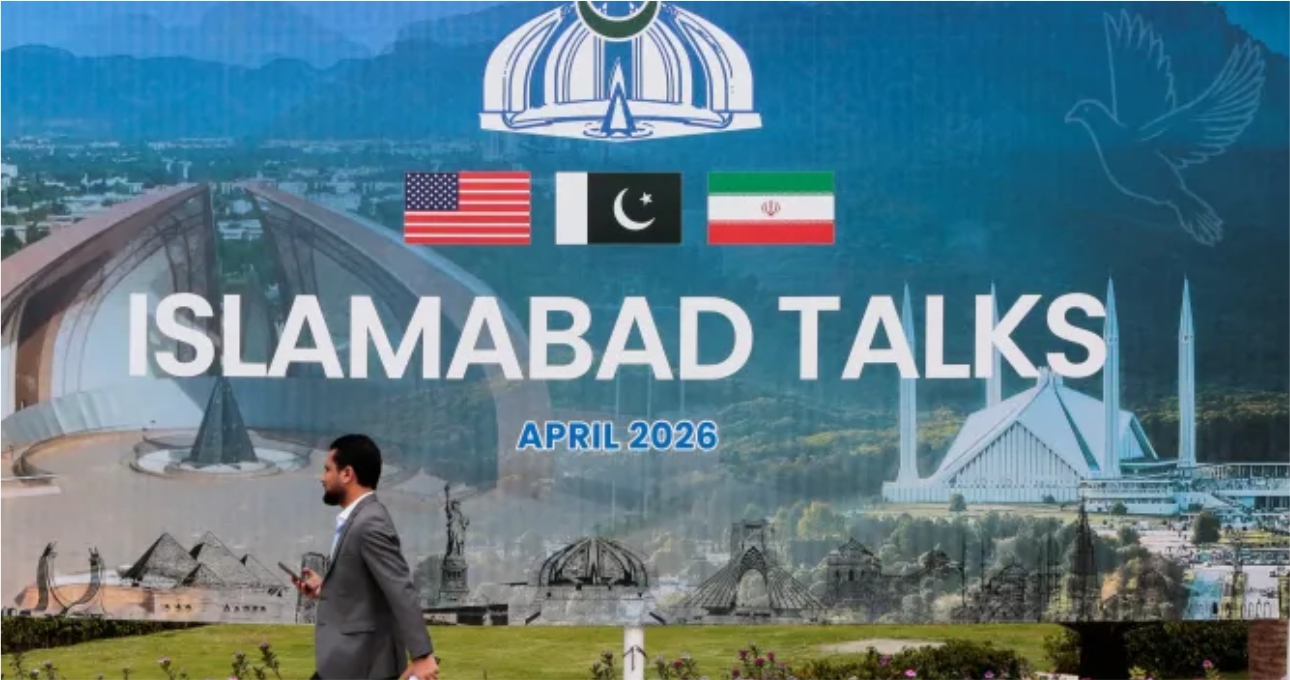
The most significant diplomatic engagement between the United States and Iran in over four decades has ended in failure. Twenty-one hours of high-stakes peace negotiations in the Pakistani capital Islamabad concluded without a deal on Sunday, April 12, 2026 — deepening uncertainty over the fragile ceasefire and the global energy crisis gripping the world.
US Vice President JD Vance, who led the American delegation, told reporters that Tehran refused to accept Washington’s terms after the marathon talks — the highest-level meeting between the two nations since the 1979 Islamic Revolution. “The bad news is that we have not reached an agreement, and I think that’s bad news for Iran much more than it’s bad news for the United States of America,” Vance said before boarding Air Force Two to return to Washington.
Iran, however, painted an entirely different picture — one of bad faith and double standards from the American side. Iran’s state-affiliated Tasnim news agency blamed US overreach and excessive demands for preventing any common framework or agreement from emerging out of the talks.
Iranian Parliament Speaker Mohammad Bagher Ghalibaf, who led Tehran’s delegation, arrived in Islamabad with deep mistrust already embedded in his words. “Unfortunately, our experience of negotiating with the Americans has always been accompanied by failure and breaches of commitments,” Ghalibaf said. “Twice within less than a year, in the middle of negotiations, despite the goodwill of the Iranian side, they attacked us and committed multiple war crimes.”
Iran’s Foreign Ministry spokesperson Esmaeil Baqaei echoed the frustration, stating that success hinged on the US “refraining from excessive demands and unlawful requests, and the acceptance of Iran’s legitimate rights and interests.”
What made Iran’s accusation of double standards particularly pointed was what was happening simultaneously on the water. As the two sides sat at the negotiating table in Islamabad, two US Navy guided-missile destroyers passed through the Strait of Hormuz — the first transit of American warships since the war began six weeks ago. US Central Command stated it had begun setting conditions to clear Iranian sea mines planted throughout the waterway.
To Tehran, the message was unmistakable: Washington was talking peace with one hand while pressing a military advantage with the other. Without Iran’s commitment to reopen the Strait of Hormuz, global energy supplies will continue to be throttled and the world watches anxiously as diplomacy teeters on the edge.