Dakshina Kannada, Karnataka — July 2025
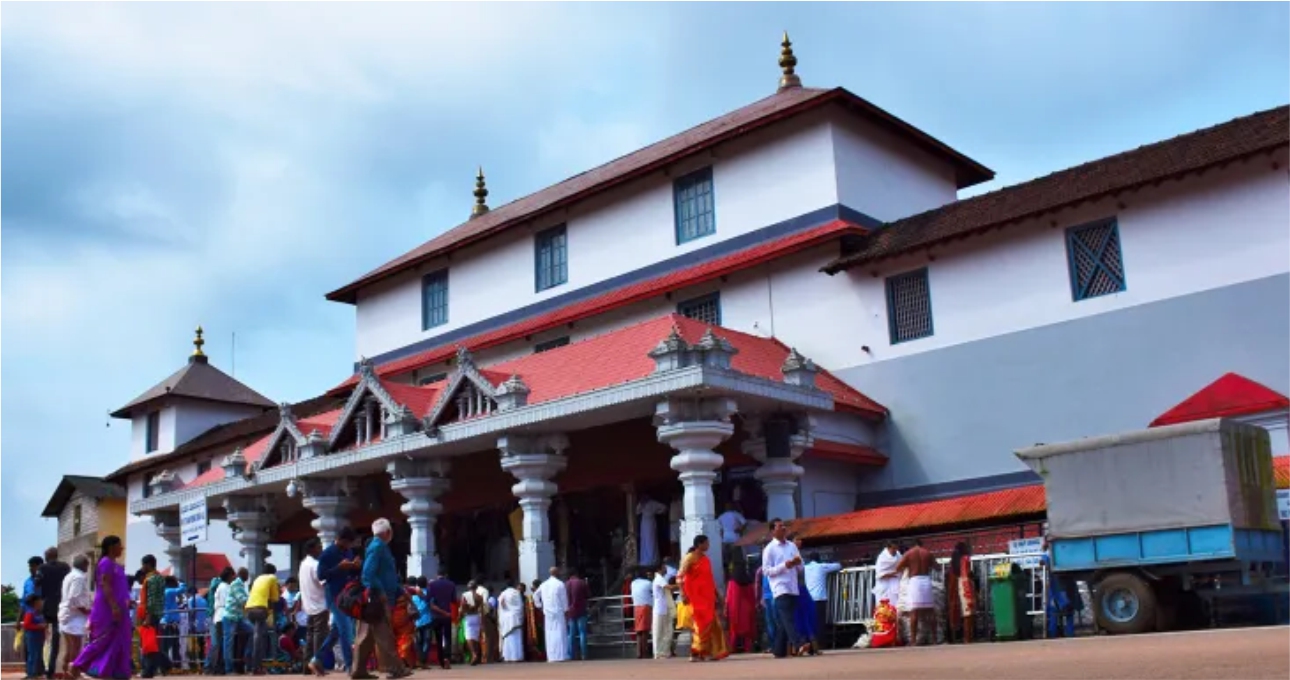
A former sanitation worker at the revered Dharmasthala Temple in Karnataka has come forward with a harrowing confession: between approximately 1995 and 2014, he was coerced by temple authorities into digging clandestine graves and burying hundreds of bodies, many of which reportedly belonged to women and minors, some showing signs of sexual assault.
The 48‑year‑old Dalit man—whose identity is protected under court order—submitted a written statement to police on July 3, 2025, citing an “insurmountable sense of guilt.” He described repeated threats: if he refused to bury the bodies, “he himself would be buried alongside them”.
In his testimony, he recounted one particularly gruesome incident involving a schoolgirl, found wearing a uniform shirt but missing her skirt and underwear. She bore signs of strangulation, and was buried alongside her schoolbag on orders from supervisors. He also alleged that destitute beggars who came to Dharmasthala were suffocated using towels and their bodies similarly disposed of in secret grave pits.
Following sustained efforts from activists, the Karnataka government formed a Special Investigation Team (SIT) on July 19–20, 2025, headed by DGP Pronab Mohanty along with senior officers M. N. Anucheth, Soumyalatha, and Jitendra Kumar Dayama. The SIT’s mandate includes investigating cases of disappearances, sexual assaults, unnatural deaths, and alleged cover‑ups linked to Dharmasthala over the past two decades.
Exhumation operations began shortly afterward. On the third day of digging, partial skeletal remains and a PAN/ATM card believed to belong to one victim were recovered from Pit 6 at about 4 ft depth. By the fifth day, teams had surveyed multiple other potential sites, though no remains were found at two newly opened points amid heavy rain delays.
Legal protection under India’s Witness Protection Scheme was granted to the whistleblower on July 10, following his July 11 court‑recorded statement under Section 183 of the BNSS in Belthangady. However, his advocates have raised concerns that confidential information from his testimony may have been leaked, triggering legal pleas for judicial oversight.
Activist groups such as the Karnataka State Women’s Commission and AIDWA have demanded that the SIT operate independently and impartially, free from political interference—and broaden the probe to include older unresolved cases, such as the 2012 rape‑murder of teen Soujanya and other mysterious deaths dating back to the 1980s.