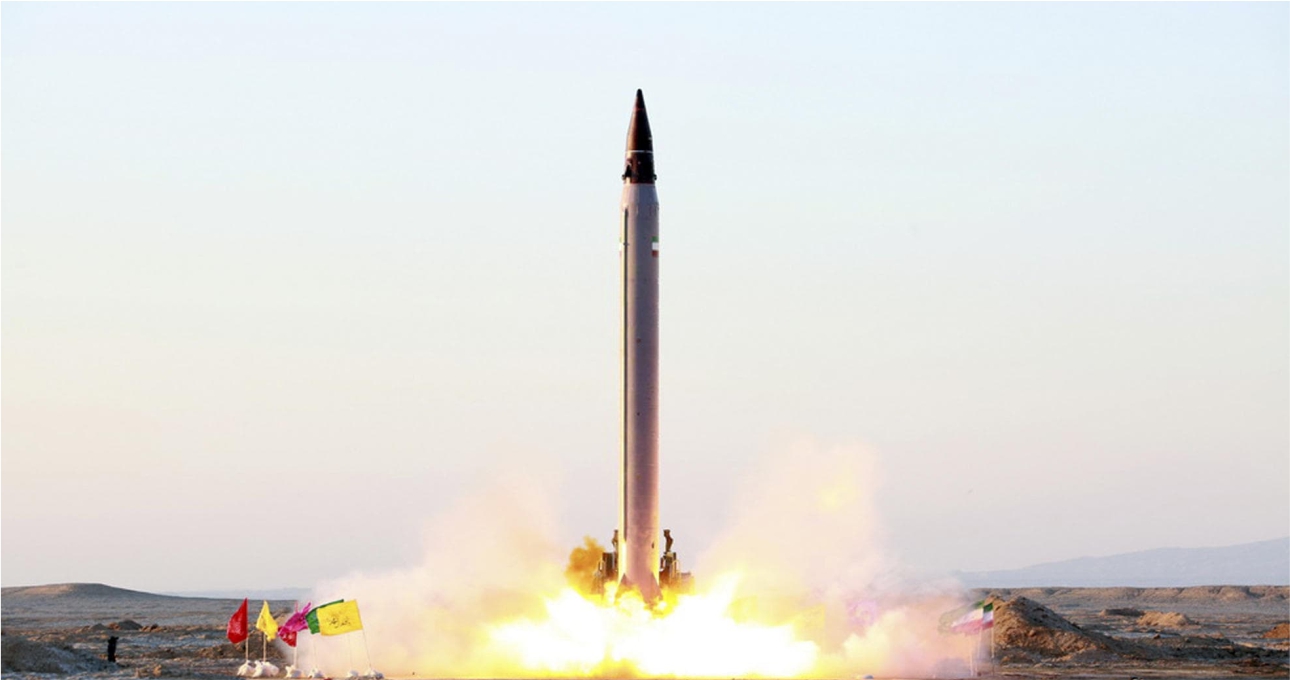
India has successfully tested an advanced Agni-series missile equipped with Multiple Independently Targetable Re-entry Vehicle technology, commonly known as MIRV. The test was reportedly conducted from Dr. APJ Abdul Kalam Island off the Odisha coast and marks a major achievement for India’s strategic defence capability. MIRV technology allows one missile to carry multiple warheads and guide them toward different targets, making the system more powerful, flexible, and difficult to intercept. Defence experts see this as a strong step toward strengthening India’s long-range deterrence.
The missile test has created major discussion because reports also connect India’s next-generation Agni programme with possible 10,000 km-plus range capability. However, the publicly confirmed recent test is of an advanced Agni missile with MIRV capability, while the 10,000 km range is mainly linked with the expected Agni-6 intercontinental ballistic missile programme. Agni-6 is expected to be lighter, more mobile, and capable of carrying advanced payloads, but official confirmation of a full 10,000 km Agni-6 test has not yet been clearly announced.
This development sends a strong message about India’s growing defence technology and self-reliance. With MIRV capability, India joins a select group of countries that can develop missiles capable of delivering multiple warheads through one launch system. The test is important not only for national security but also for maintaining strategic balance in the region. While some reports describe it as a 10,000 km missile breakthrough, the confirmed achievement is India’s successful advanced Agni MIRV test. The real significance is clear: India’s missile technology is entering a stronger, more advanced phase.