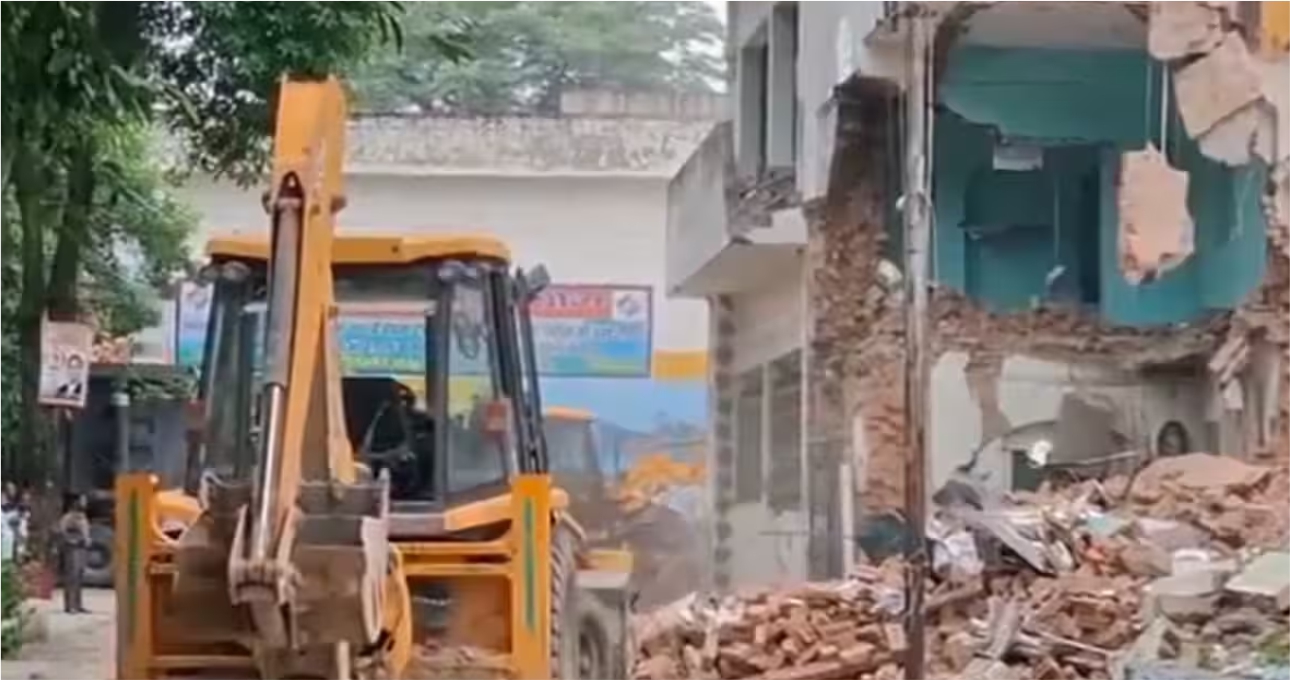
A mosque in Saharanpur has reportedly been demolished during the night, triggering concern and allegations of injustice among members of the local Muslim community. According to local claims, the demolition took place shortly before the matter was expected to approach the High Court. People associated with the mosque have questioned the urgency and timing of the action and are seeking clarity over whether all available legal remedies and procedures were allowed to run their course. The incident has also renewed debate about the handling of religious properties and the need for transparency in administrative action.
Following the demolition, bricks reportedly carrying markings dating to 1909 were found among the debris. Local residents have cited these bricks as possible evidence of the mosque’s historical existence, although their age and connection with the original structure would require independent verification. Community members further claim that the mosque existed before the establishment of the nearby Collectorate and that land was historically donated for the Collectorate. They also allege that relevant land records continue to show ownership in the name of a Muslim individual. These claims have intensified demands for authorities to publicly clarify the property’s history, ownership records and legal basis for the demolition.
The incident has generated anger and a wider discussion about the treatment of Muslims and their religious institutions in India. Some community members describe the Saharanpur mosque demolition as another example of what they consider increasing harassment and unequal treatment of Muslims in “New India.” Such allegations are serious and require examination of official records, court proceedings and the administration’s explanation. Regardless of religious identity, disputes involving historic places of worship should be handled through due process, transparent documentation and equal application of law. Authorities and affected parties should make the relevant records available so that the facts surrounding the demolition can be independently established.