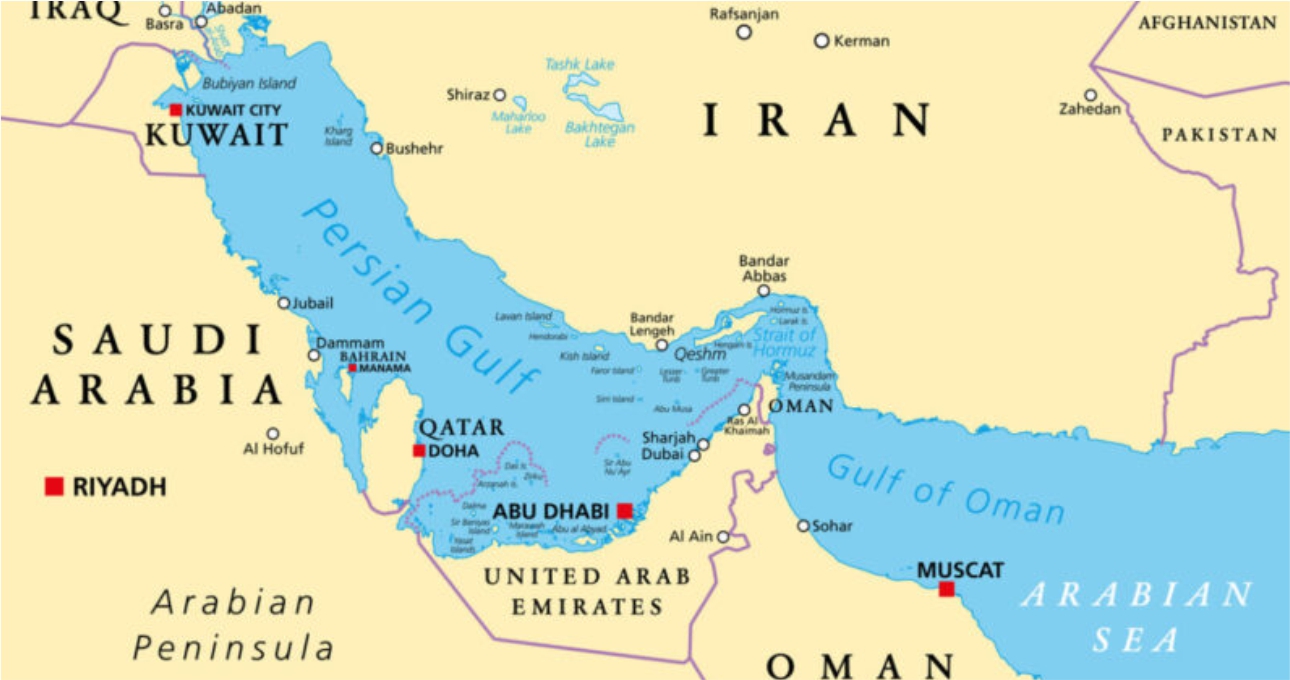
The United States carried out fresh military strikes on Iran’s Larak Island on August 30, 2026, marking the first known American attack on Iranian territory since late July. According to U.S. military officials, the operation targeted two Iranian rocket launchers on the strategically located island near the Strait of Hormuz. U.S. Central Command said Iranian Revolutionary Guard forces had been observed preparing rockets that could carry sea mines into the waterway. Washington described the strike as a limited and precise action intended to protect commercial shipping and prevent new threats to one of the world’s most important energy routes. The action immediately renewed international concern over the fragile security situation around the Gulf.
Iran strongly condemned the attack and said several soldiers and civilians were killed or wounded. Iranian media reported that a drone was used in the strike, while the Islamic Revolutionary Guard Corps warned that the attack would receive a military response. Soon afterward, Iran said it launched ballistic missiles toward U.S. military sites in Jordan. Jordan’s armed forces said eight missiles that entered its airspace were intercepted. The renewed exchange ended a period of roughly one month without major direct military action between the United States and Iran. No major damage was initially reported at the targeted U.S. facilities in Jordan.
Larak Island lies close to the Strait of Hormuz, a vital maritime passage through which around one-fifth of the world’s oil supply normally moves. The latest U.S. strike has again increased concerns about regional security, commercial shipping and global energy prices. The wider conflict, which began earlier in 2026, has already caused heavy casualties and major disruptions across the Middle East. With Iran promising retaliation and Washington insisting it will prevent further mine-laying activity in the strait, the August 30 attack has raised fears that the confrontation could enter another dangerous phase.