A political controversy has erupted after residents in the Jhandewalan area alleged that structures near a historic temple were demolished, with some claiming the action was intended to make way for parking space linked to the nearby Rashtriya Swayamsevak Sangh (RSS) headquarters. Critics say the move has raised questions about heritage preservation and government priorities.
Local voices on social media and opposition leaders accused the ruling Bharatiya Janata Party (BJP) government of facilitating the removal of what some described as parts of a centuries-old temple to benefit the RSS. Videos and posts circulating online claimed a “1400-year-old” temple was razed for parking space, triggering emotional responses and political commentary.
However, municipal authorities and independent fact-checking accounts have clarified that the demolition was part of an ongoing anti-encroachment drive by the Municipal Corporation of Delhi. Officials stated that dilapidated and unauthorized structures on public land were removed to improve pedestrian and traffic movement and were not directly linked to creating parking for the RSS headquarters. Reports indicate the main temple building itself remains intact.
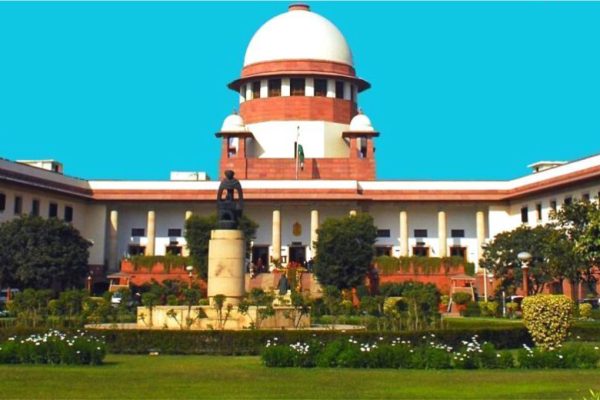
Opposition politicians have seized on the claims to criticize the government, raising the matter in Parliament and questioning the preservation of heritage sites. They argue that even the perception of neglecting ancient religious structures undermines public trust and cultural protection.
Supporters of the BJP and RSS, meanwhile, dismiss the allegations as politically motivated misinformation. They emphasize the importance of lawful civic action against encroachments and note that routine demolitions occur in many parts of Delhi irrespective of political proximity.
As debate continues online and offline, authorities have reiterated their stance that the demolition was part of regular enforcement and not aimed at benefiting any organization’s infrastructure. The episode highlights the sensitivity around heritage claims and political narratives in urban governance.