India is enduring a relentless spate of natural disasters, with monsoon floods taking a heavy toll. Most recently, Punjab faces its worst deluge in nearly four decades. Since early August 2025, at least 29 lives have been lost, and more than 2.56 lakh people have been affected across 12 of its 23 districts. Approximately 15,700 individuals were evacuated, while over 2.32 lakh acres of standing crops were submerged—devastating the state’s agrarian backbone.
The scale of destruction is staggering: 1,000-plus villages were inundated, threatening the livelihoods of nearly 1.46 million residents, with over 61,000 hectares of farmland submerged. Rescuers—including the Army, NDRF, BSF, and local teams—evacuated around 11,330 people using helicopters, drones, and amphibious vehicles, supported by NGOs and community volunteers.
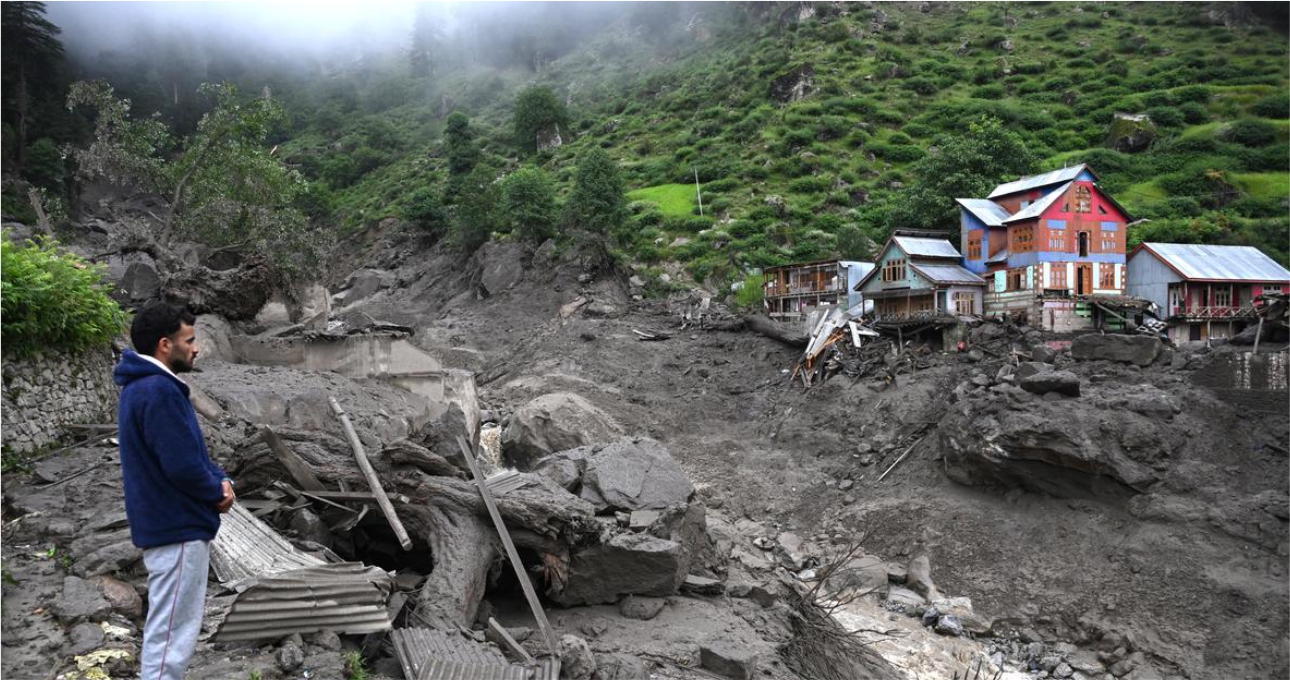
Punjab is not alone. In mid-August, Jammu & Kashmir’s Kishtwar district witnessed a deadly flash flood triggered by a cloudburst, weighing heavily on the Machail Mata pilgrimage route. The disaster claimed at least 67 lives and injured more than 300 people, with over 70 still missing. Meanwhile, Uttarakhand’s Uttarkashi region was struck by a flash flood in early August—possibly due to a cloudburst or glacier impact—killing at least 5 people and leaving 50 to 100+ individuals missing.
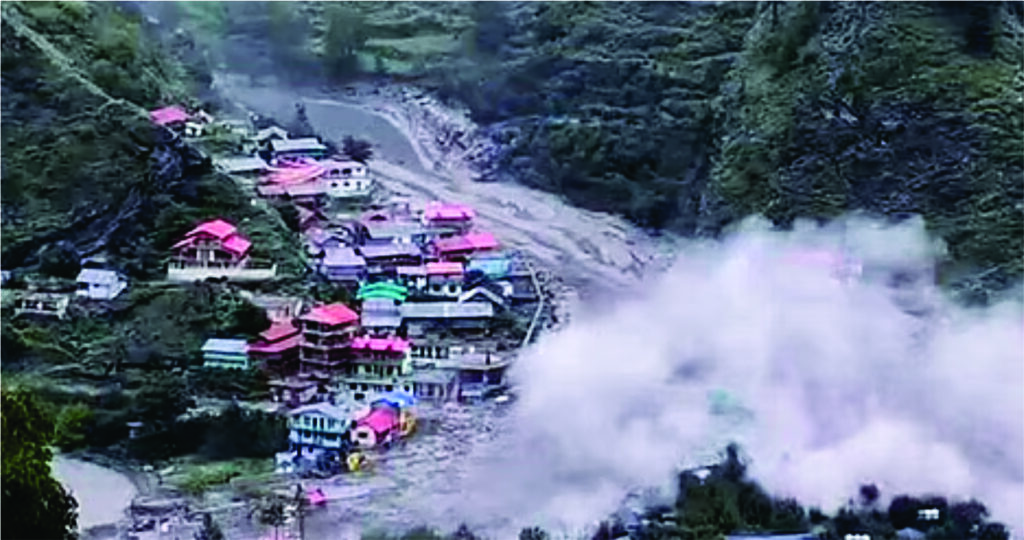
Further north, heavy monsoon rains across Jammu & Kashmir and surrounding Himalayan areas triggered floods and landslides—most tragically a landslide near the Vaishno Devi shrine that killed around 30 people, while in Kishtwar another 60 fatalities were reported alongside 200 missing.
With climate change intensifying rainfall and escalating extreme weather, India remains on high alert. The cascading emergencies underscore the urgent need for climate-resilient infrastructure, early warning systems, and coordinated relief mechanisms to safeguard vulnerable communities.