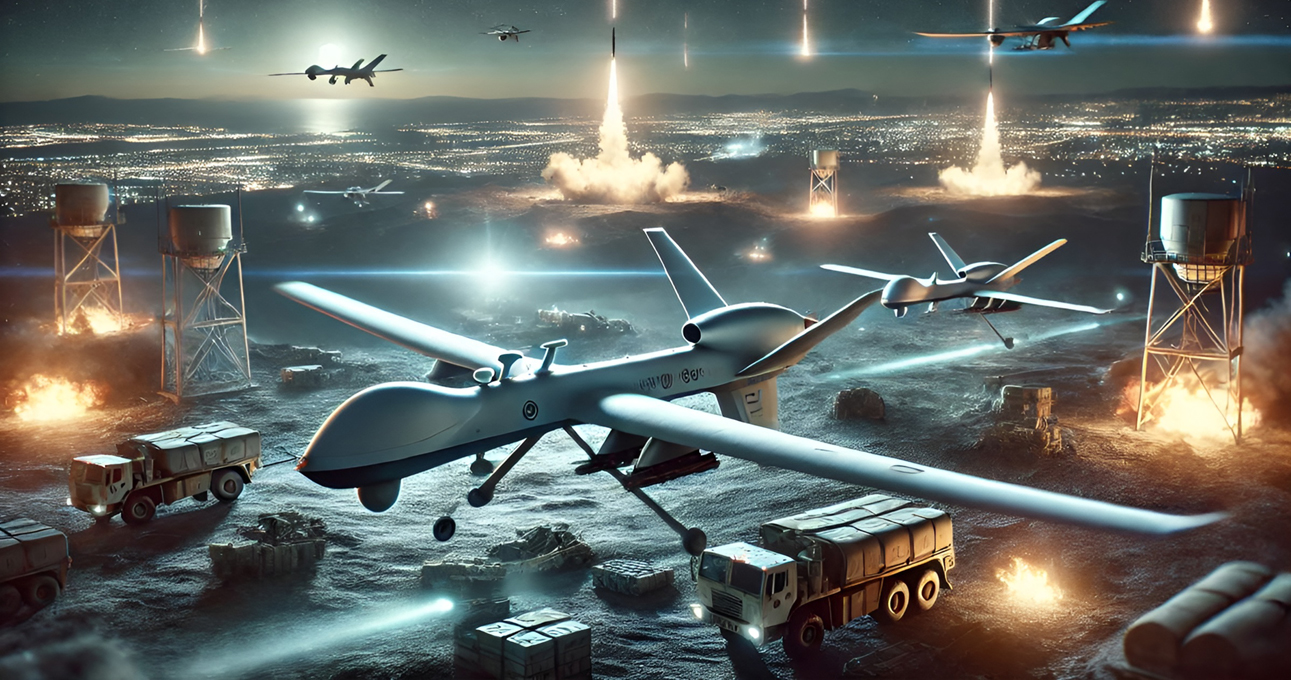
Tensions between Ukraine and Russia escalated sharply this week after a series of Ukrainian drone attacks targeted multiple sites deep inside Russian territory. The Ukrainian drones reportedly struck oil depots, military storage facilities, and infrastructure in border regions and near Moscow. These attacks are part of Ukraine’s broader strategy to push back against Russia’s ongoing invasion and weaken its military supply chains.
According to Ukrainian defense officials, the drone strikes were aimed at disrupting Russian logistics and signaling Ukraine’s growing long-range capabilities. “We will respond wherever necessary to defend our sovereignty,” said a senior Ukrainian military spokesperson.
In swift retaliation, Russia launched a large-scale missile and drone assault on several Ukrainian cities, including Kyiv, Kharkiv, and Odesa. The Russian Ministry of Defense stated that the strikes were aimed at “Ukrainian military infrastructure and command centers,” but local reports indicate that civilian areas and energy facilities were also hit, causing casualties and power outages.
The latest escalation has drawn global concern. NATO condemned the attacks on civilians and urged both sides to avoid further escalation. The United Nations has called for restraint and emphasized the need for renewed diplomatic efforts to end the conflict.
This back-and-forth exchange of attacks highlights the evolving nature of modern warfare, where drones and cyber weapons play increasingly central roles. As the conflict enters its third year, both sides appear determined to press on, with no immediate signs of a peaceful resolution.