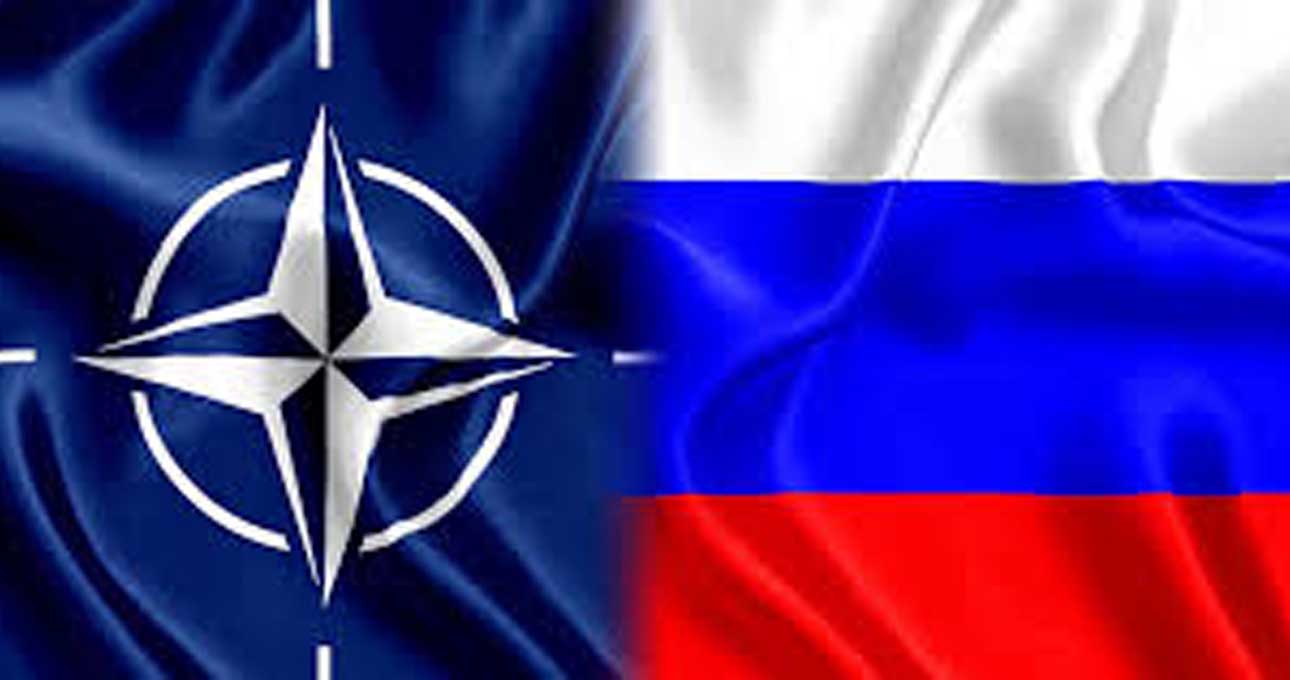
The ongoing conflict between Russia and Ukraine has escalated further, spilling across borders into Poland and raising serious concerns for global security. Reports confirm that Poland has marked the incident as a direct attack on NATO territory, pushing the alliance into a heightened state of alert.
Polish officials have stated that the strike on their soil cannot be overlooked and falls under NATO’s collective defense principle. According to Poland, the attack is not only a violation of sovereignty but also a trigger that could involve all NATO member states in defensive measures. “Any strike on Poland is an attack on NATO as a whole,” Polish representatives emphasized.
Russia, however, has dismissed these claims, declaring that its recent moves were purely defensive. Moscow’s leadership stressed that its military operations remain focused on securing its borders and countering threats emanating from Ukraine. Russia strongly denied any intention of sparking a wider war but maintained that “retaliatory defensive measures” were necessary given NATO’s growing involvement in Eastern Europe.
The development has sparked a wave of reactions across the globe. Several NATO member nations have already voiced full support for Poland, calling for immediate consultations under Article 4 of the NATO charter. Military reinforcements and intelligence sharing are being discussed at an accelerated pace.
Analysts warn that the incident could mark a dangerous turning point in the Russia-Ukraine war, potentially drawing in more countries on both sides. If NATO formally declares the strike as an act of aggression, the conflict may expand rapidly, creating a direct confrontation between Russia and the alliance.
In the upcoming days, the world will closely watch as diplomatic talks, emergency meetings, and military preparations unfold. The Poland strike has not only intensified the Russia-Ukraine conflict but also placed NATO at the center of a possible global escalation.