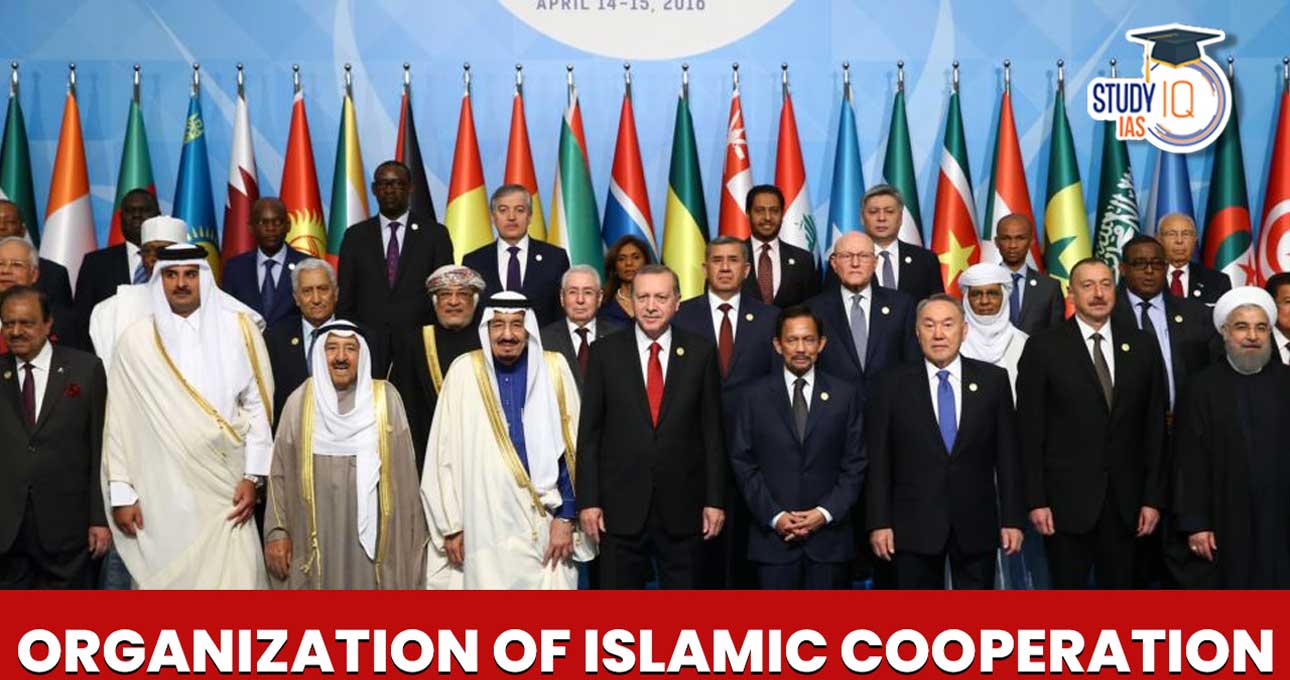
In a dramatic turn of regional geopolitics, Israel’s recent attack, described as a coordinated strike against what observers call the “Quartet of Islamic unity,” has triggered a powerful wave of response across the Islamic world. Leaders of multiple Muslim-majority nations have begun rallying for the creation of a unified defense alliance, being informally termed as an “Islamic NATO.”
The proposal, which once appeared as an abstract idea in past years, has now gained urgency as Islamic countries express growing frustration over what they see as Washington’s silence and double standards. Many leaders openly declared that they no longer trust the White House, accusing it of backing Israel’s aggressive actions. Several representatives went as far as labeling Israel as an “American puppet,” asserting that its strategy is systematically targeting Islamic countries one by one.
As a first concrete step toward defense unity, Pakistan and Saudi Arabia have confirmed the beginning of joint defense collaboration. This move is being seen as a symbolic but significant breakthrough, signaling that larger military cooperation among Muslim nations could soon follow. Sources suggest talks are underway with Turkey, Iran, and other regional players to strengthen the structure of a collective defense organization.
Analysts believe that if this “Islamic NATO” gains shape, it could shift the balance of power in the Middle East and beyond. A united Islamic defense front would not only counter external military threats but also serve as a strategic warning against any unilateral actions that destabilize the region.
The developments mark the start of what many are calling a new era in Islamic world politics, where unity and collective security are being prioritized over reliance on Western assurances.