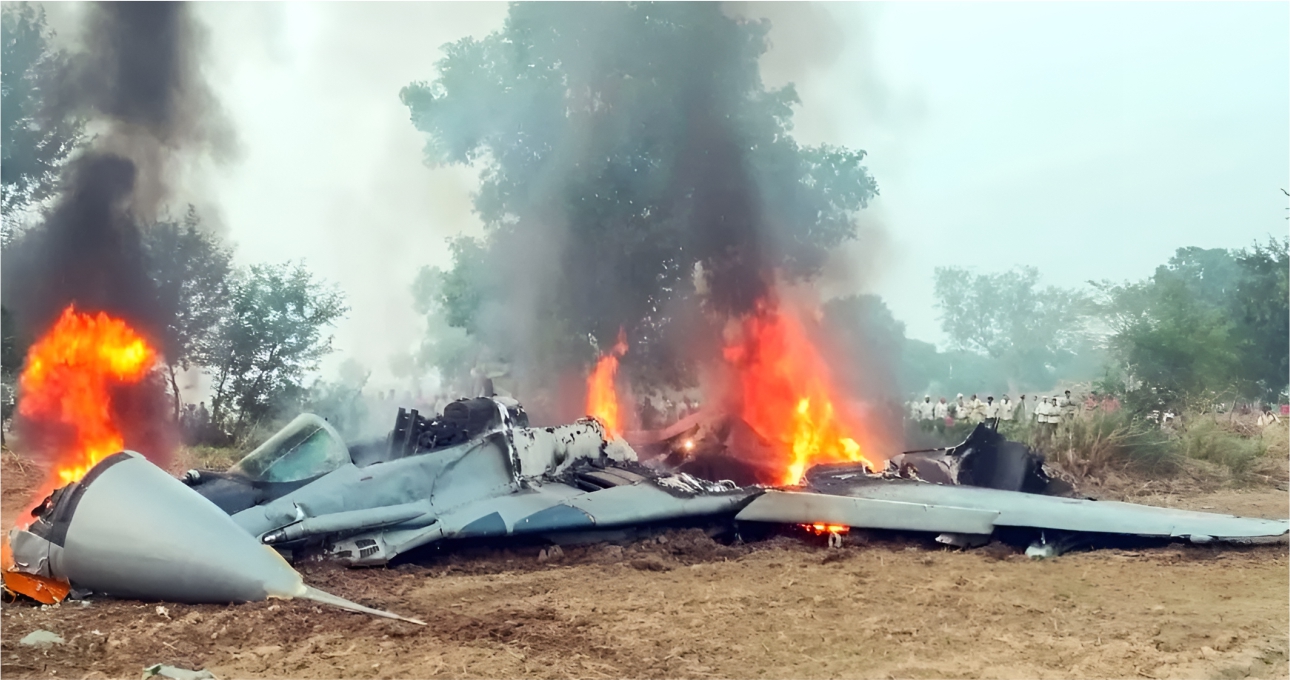
This year has seen a disturbing rise in flight-related tragedies, with 17 aircraft crashes reported so far — involving both civilian airlines and military air forces. More than 1,200 people have lost their lives worldwide, leaving families shattered and experts urgently searching for answers.
Investigations are underway in several countries, focusing on possible causes like technical malfunctions, poor maintenance, use of low-quality or counterfeit parts, and even environmental factors like electromagnetic interference.
Many of the civilian crashes involved older aircraft with outdated systems, while some air force jets went down during training exercises. In some cases, there are signs that critical systems failed mid-air, while in others, untrained maintenance staff or falsified inspection records may have played a role.
Concerns are also growing about the quality of aircraft parts. Authorities have found evidence that counterfeit electronic components may have been used in some of the crashed planes. These parts, often sourced from unauthorized suppliers, can fail unexpectedly and are difficult to detect during routine checks.
A more recent theory being explored is the impact of electromagnetic interference. Experts suggest that strong electromagnetic fields from military installations, satellite networks, or even solar activity could be interfering with navigation or communication systems onboard aircraft. At least two crashes reportedly occurred near high-EMI zones, raising further questions.
Aviation safety experts are calling for stronger international monitoring, better maintenance regulations, and faster adoption of modern technology like AI-based diagnostics and real-time fault detection. Several countries are expected to push for stricter air safety agreements at the upcoming UN-led Aviation Safety Summit in August.
The growing number of crashes this year is a wake-up call for the global aviation community. Whether the root cause is technical failure, negligence, or environmental disruption, one thing is clear — action must be taken before more lives are lost.