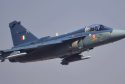
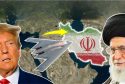
As the ongoing conflict in Gaza intensifies, shares of several leading weapons manufacturers in the United States and Israel have seen significant gains, raising ethical concerns among global human rights advocates.
In the U.S., defense giants like Lockheed Martin, Northrop Grumman, Raytheon Technologies, and General Dynamics have experienced stock increases ranging from 12% to 25% over the past quarter. The rise is attributed to increased defense spending, international arms deals, and restocking of military supplies used in active combat zones.
Similarly, in Israel, companies like Elbit Systems and Israel Aerospace Industries (IAI) have also reported strong earnings, with Elbit’s stock reportedly climbing by 18%, driven by government contracts and foreign military sales.
Analysts note that market movements often follow geopolitical tensions. “Investors see defense as a resilient sector during prolonged conflicts,” said Ava Cohen, a defense market analyst with Tel Aviv Global Insights. “However, the moral implications are being increasingly scrutinized, especially when civilian casualties are high.”
The current military operations in Gaza, described by some international observers and humanitarian groups as a humanitarian crisis, have sparked protests across major cities and calls for arms embargoes. Human Rights Watch and Amnesty International have both urged defense companies to ensure their weapons are not used in violation of international humanitarian law.
Despite public criticism, defense industry insiders maintain that their companies operate within legal frameworks and are essential to national security and international alliances.
The conflict’s political and humanitarian toll continues to grow, prompting urgent diplomatic efforts. Meanwhile, the financial fortunes of those tied to the arms industry remain a controversial indicator of the human cost of war.