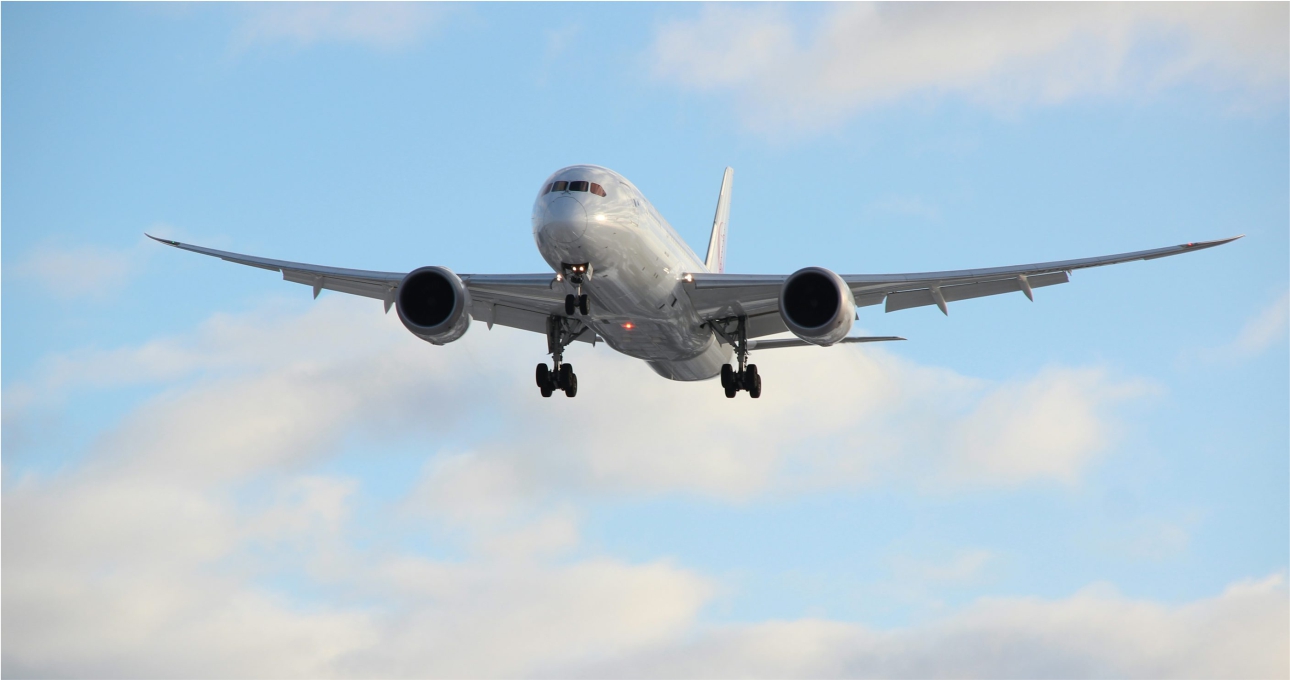
In a major shift in South Asia’s aviation landscape, Pakistan International Airlines (PIA) has been sold to private ownership, marking the end of direct government control over a national airline in Pakistan. With this development, both Pakistan and India now stand in a similar position—neither country operates a government-owned airline.
The move is being seen as part of broader economic reforms aimed at reducing financial burdens on the state. PIA had long struggled with mounting losses, operational inefficiencies, and heavy debt. The sale is expected to bring professional management, improved services, and financial discipline, while easing pressure on public funds.
India reached a similar milestone earlier when Air India was transferred from government ownership to a private business group. That decision ended decades of state involvement in commercial airline operations and was widely viewed as a turning point for India’s aviation sector. Today, India’s airline market is driven entirely by private players competing on efficiency, pricing, and customer experience.
The fact that both neighboring countries no longer own national airlines reflects a changing global mindset. Governments are increasingly stepping back from running commercial enterprises and instead focusing on regulation, safety, and infrastructure development. Aviation experts believe this approach allows airlines to operate with greater flexibility and respond faster to market demands.
However, the transition also raises concerns. Employee welfare, job security, ticket affordability, and connectivity to remote regions remain key issues that both governments will need to monitor closely. Strong regulatory oversight will be essential to ensure that public interest is protected.
Overall, the exit of governments from airline ownership in both Pakistan and India signals a new era for regional aviation—one driven by private investment, competition, and efficiency, with the state acting as a regulator rather than an operator.