In a deeply divisive move, Israel’s parliament has passed landmark legislation that has drawn widespread international condemnation. The Israeli Knesset approved in its second and third readings a law allowing the death penalty for Palestinian prisoners, passing with 62 members voting in favor, 48 against, and one abstention.
The bill stipulates that residents in the West Bank who kill an Israeli “with the intent to negate the existence of the State of Israel” will be sentenced to death. The Israel Prison Service is required to carry out executions by hanging within 90 days of sentencing, with no right to appeal.
The bill imposes the death penalty even without a prosecutorial request and prohibits commutation of sentences, mandating execution within an accelerated timeframe of 90 days. Israeli citizens and residents are explicitly excluded from this provision — military jurisdiction applies exclusively to Palestinians, while Israeli settlers are tried in civilian courts.
The law was championed by far-right figures. Far-right National Security Minister Itamar Ben Gvir brought a champagne bottle into the Israeli parliament to celebrate, declaring, “Israel is changing the rules of the game today.”
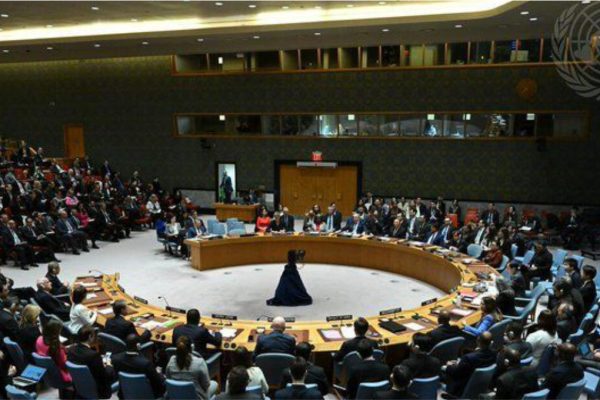
Human rights organizations reacted with alarm. The UN Human Rights Office called on Israel to immediately repeal the law, stating it violates international law’s prohibition of cruel and inhuman punishment and further entrenches apartheid, as it will exclusively apply to Palestinians.
The Israeli human rights group B’Tselem noted that military trials of Palestinians carry an approximately 96% conviction rate, based largely on confessions extracted under duress during interrogations.
Minutes after the law passed, the Association for Civil Rights in Israel filed a petition with Israel’s Supreme Court to challenge it, describing it as “discriminatory by design” and “enacted without legal authority” over West Bank Palestinians.
Amnesty International warned that the law could further entrench an apartheid system and place Israel in direct confrontation with the global movement to abolish capital punishment, adding that its implementation could amount to a war crime.