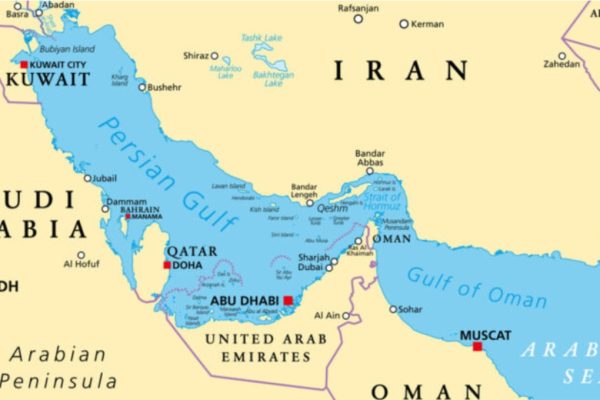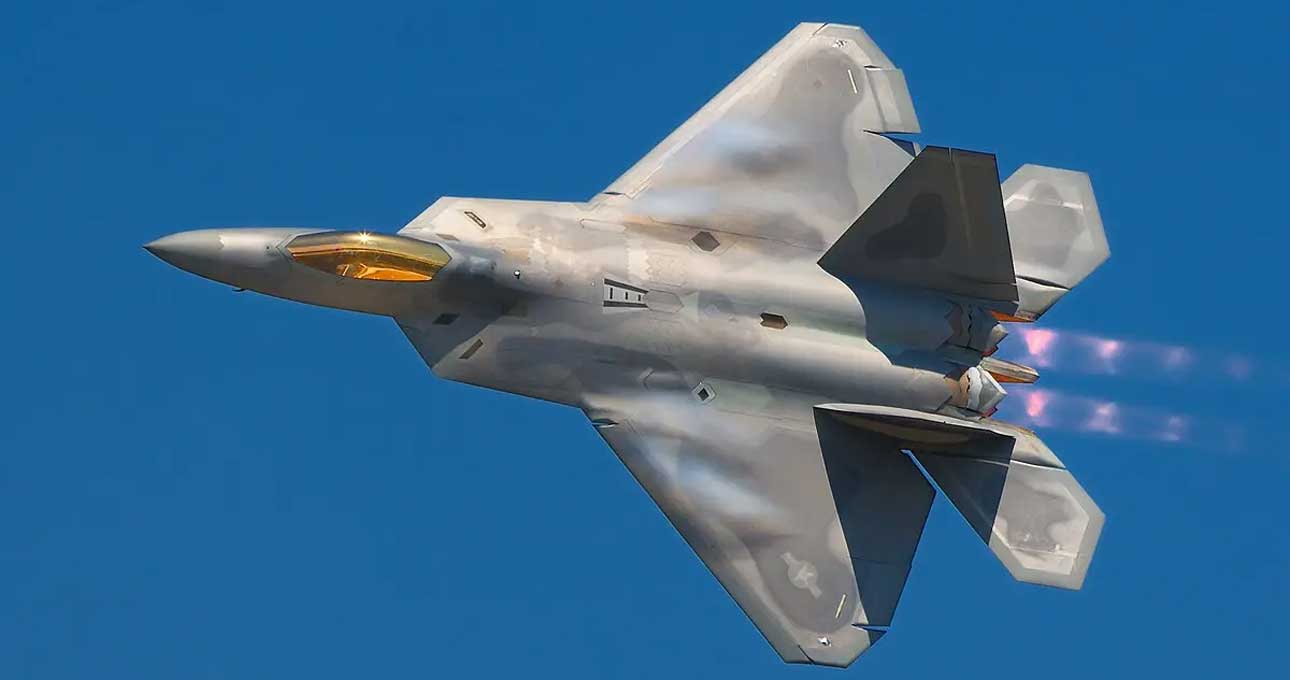
In a significant development in the ongoing U.S.-Iran conflict, a United States Air Force F-35A Lightning II stealth fighter jet was struck by suspected Iranian fire on March 19, 2026, forcing an emergency landing at a U.S. air base in the Middle East — marking the first time Iran has successfully hit an American aircraft since Operation Epic Fury began on February 28.
The fifth-generation stealth jet, valued at over $100 million, was flying a combat mission over Iran when it was forced to divert to a regional base. CENTCOM confirmed the aircraft landed safely and the pilot is in stable condition, with the incident currently under investigation.
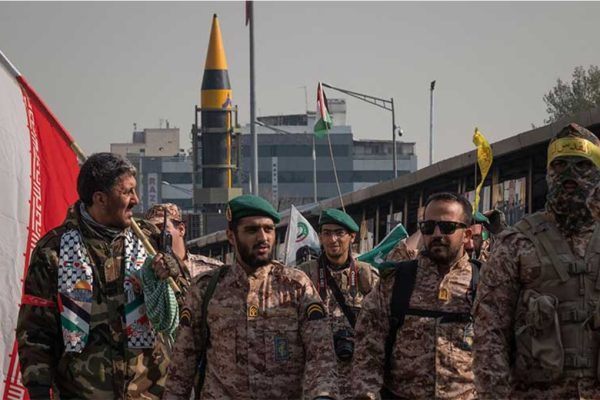
Iran’s Islamic Revolutionary Guard Corps claimed responsibility, with Iranian state television reporting that its air defense system had badly damaged the F-35 during the engagement. Defense analysts suggest Iran may have used passive infrared sensor-based air defense systems rather than traditional radar — a technology previously employed by Iranian-backed Houthi rebels against U.S. aircraft in Yemen — to successfully target the advanced stealth jet.
Prior to this incident, the U.S. had lost four manned aircraft during the conflict: three F-15E Strike Eagles downed in a friendly fire incident involving a Kuwaiti fighter jet on March 2, and a KC-135 Stratotanker that crashed in western Iraq on March 12, killing all six crew members aboard.
Despite the incident, President Donald Trump maintained that the U.S. is performing strongly, while Defense Secretary Pete Hegseth stated Iran’s air defenses have been largely neutralized and America is winning decisively. The strike raises serious new questions about the vulnerability of even America’s most advanced stealth aircraft to Iran’s rapidly evolving air defense capabilities as the conflict enters its fourth week.