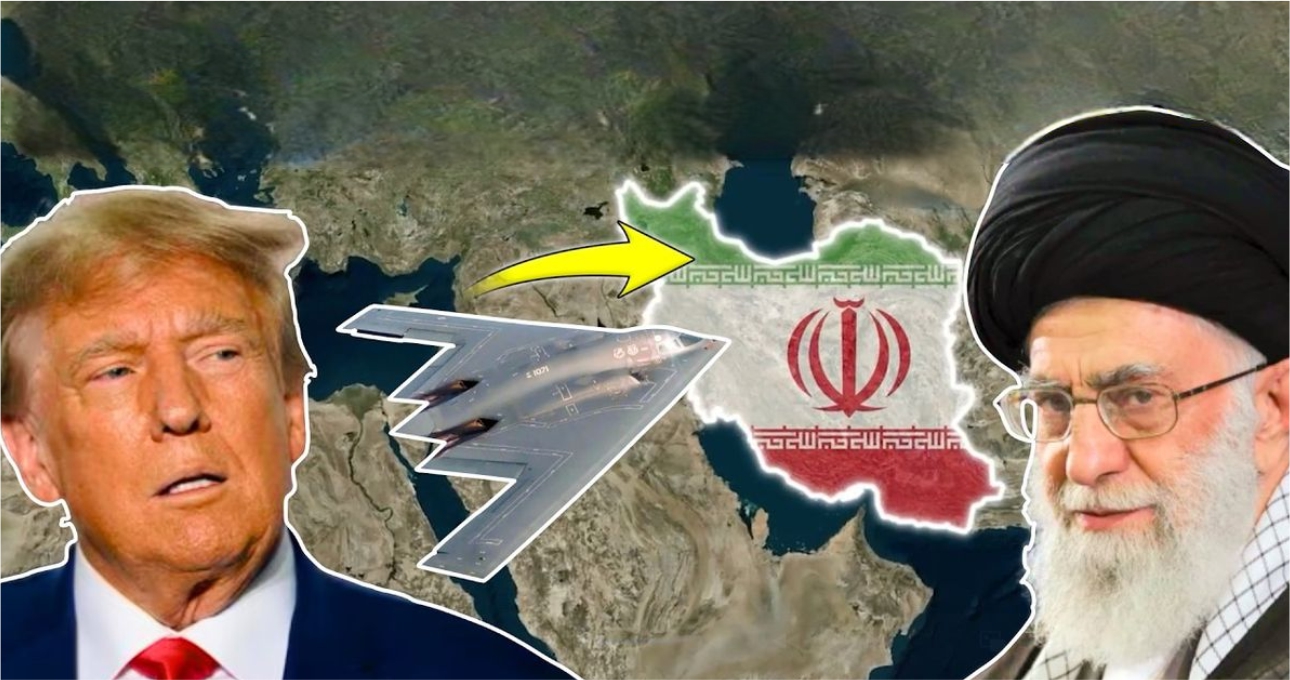
The Middle East witnessed a sharp escalation in conflict on Saturday after Israel launched coordinated air and missile strikes on Iran, including targets in Tehran, in an operation reportedly conducted with U.S. support. Explosions were heard across the Iranian capital, while sirens sounded in Israel and airspace was temporarily shut in parts of the region, signaling the seriousness of the confrontation.
The Israeli government described the assault as a pre-emptive move against what it called imminent threats linked to Iran’s missile and nuclear programs. Officials said planning for the strike had been underway for months in coordination with Washington.
Iran responded swiftly, warning it would make its adversaries “regret” the attack and vowing a crushing retaliation. Iranian leaders declared that Israeli territory and U.S. military bases across the region would be treated as legitimate targets if hostilities continued.
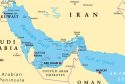
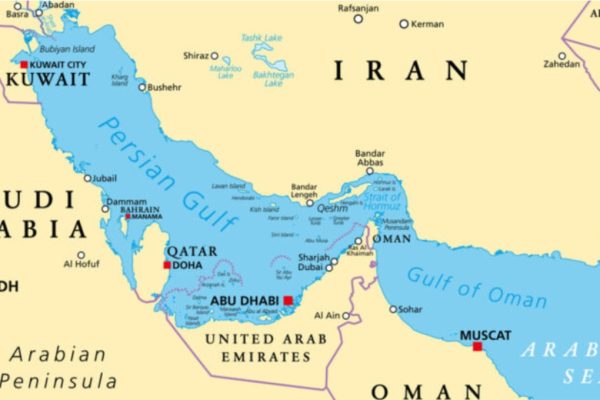
Within hours, missiles were reportedly launched toward key U.S. installations in Gulf countries including Qatar, Kuwait, the United Arab Emirates, and Bahrain. Iranian forces allegedly targeted major American bases such as Al-Udeid Air Base in Qatar, Al-Salem Air Base in Kuwait, Al-Dhafra Air Base in the UAE, and the U.S. Navy’s Fifth Fleet headquarters in Bahrain.
Regional fallout was immediate. Explosions were reported across several Gulf states, and at least one fatality was confirmed in Abu Dhabi after missile shrapnel struck the city, marking the first reported death linked to Iran’s counterattack.
The strike-and-retaliation cycle has raised fears of a wider regional war, especially given previous clashes between the two sides in 2025 that involved missile barrages and significant casualties.
Diplomatic observers warn that unless urgent negotiations resume, the current escalation could spiral into a broader conflict involving multiple countries and global powers, threatening stability across the Middle East and beyond.