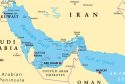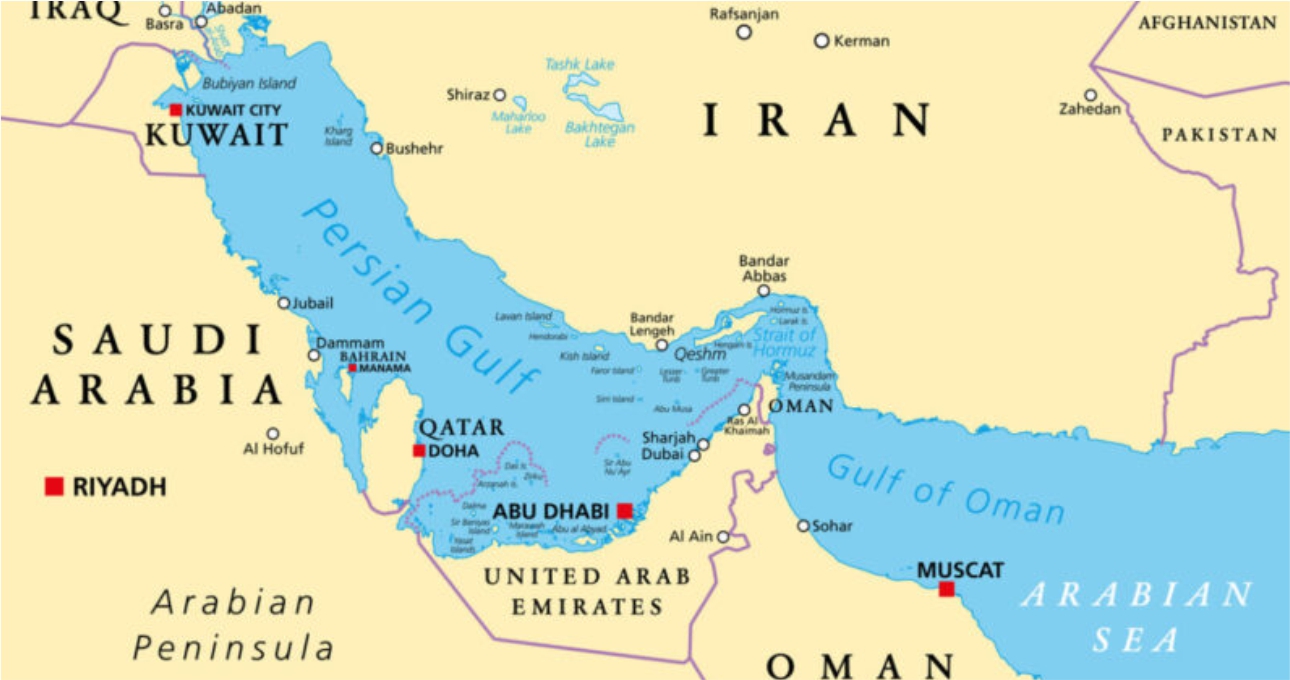
Iran’s parliament is moving swiftly to formalize its grip over one of the world’s most critical maritime chokepoints. A key committee in Iran’s parliament has approved a toll plan for vessels passing through the Strait of Hormuz. The measure, which cleared the National Security Commission, outlines new regulations governing the strategic waterway, including financial provisions requiring ships to pay transit fees in Iran’s national currency, the rial.
Iran’s parliament is working on a bill to formally codify Iran’s sovereignty, control, and oversight over the Strait of Hormuz, while also creating a source of revenue through the collection of fees, according to lawmakers quoted by state-aligned media.
The bill also includes restrictions barring vessels linked to the US and Israel from passing through the strait, along with provisions prohibiting access for countries that have joined unilateral sanctions against Iran.
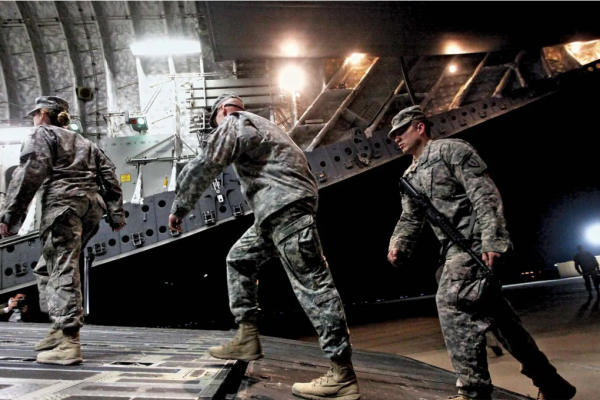
The move comes amid a broader military conflict. Traffic in the waterway has effectively come to a standstill since the US and Israel’s war with Iran began almost four weeks ago, with subsequent supply constraints pushing oil prices into triple digits.
Iran is now seeking to turn the strait into both a source of potentially billions of dollars in annual revenue and a pressure point on the global economy. At a reported fee of $2 million per tanker, revenues could exceed $800 million a month — rivaling what Egypt earns annually from the Suez Canal.
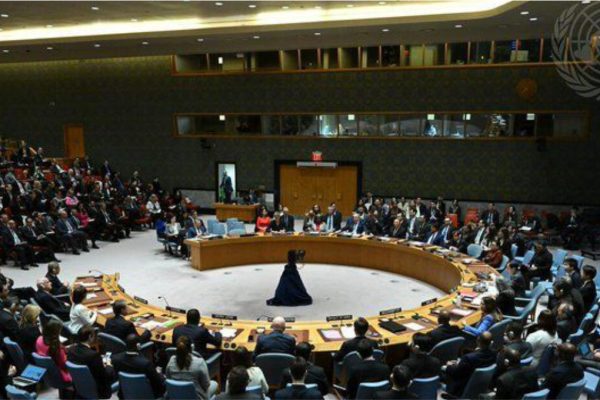
International reaction has been swift and sharp. US Secretary of State Marco Rubio warned that Tehran’s attempts to establish a tolling system at Hormuz are “illegal, unacceptable, and dangerous to the world,” while G7 foreign ministers stressed the necessity of restoring “safe and toll-free freedom of navigation.”
Legal experts agree the move is on shaky ground. According to Article 38 of the United Nations Convention on the Law of the Sea, all ships enjoy the right of transit passage, which cannot be suspended by any country.
The legislation must pass a full parliamentary vote before being reviewed by the Guardian Council and signed by the president to become law. For now, global markets and shipping industries watch with deep anxiety as Iran tightens its hold over the world’s most vital — and most contested — waterway.