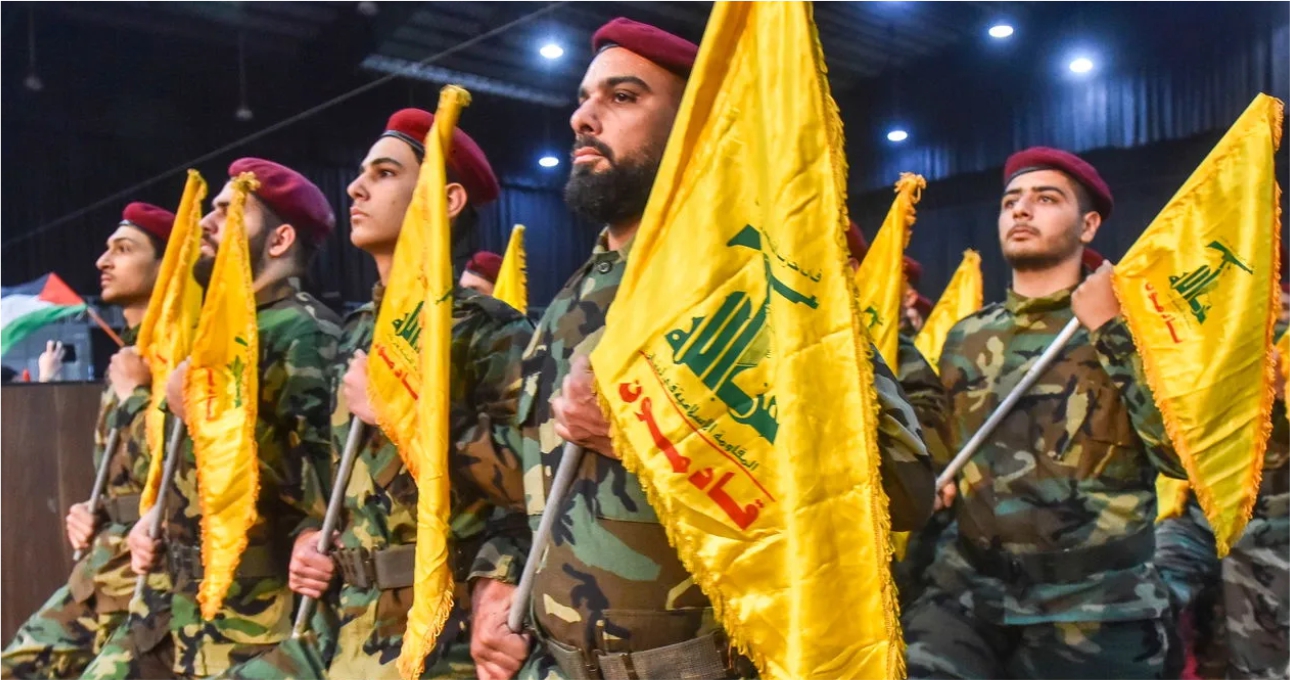
Beirut — In a sharp escalation along the Lebanon-Israel border, Hezbollah fighters claimed to have struck and destroyed more than 127 Israeli armoured vehicles, including battle tanks, after Israeli forces launched what the group described as an unprovoked military incursion into Lebanese territory. The confrontation marks one of the most intense clashes between the two sides in recent months, raising fears of a broader regional conflagration.
According to statements issued by Hezbollah’s military wing, Israeli armoured columns advanced across the Blue Line — the internationally recognised boundary separating Lebanon from Israel — in what the group characterised as a deliberate attempt to invade Lebanese sovereign soil. Hezbollah fighters reportedly engaged the advancing units with anti-tank guided missiles, disabling and destroying several Merkava tanks before the Israeli force could consolidate its position.
The Israeli military acknowledged the operation, framing it as a targeted defensive action against Hezbollah infrastructure and launch sites used to threaten northern Israeli communities. Israeli officials maintained that the incursion was limited in scope and intended to neutralise immediate threats, without elaborating on casualties or equipment losses.
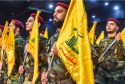
“Our fighters stood their ground and repelled the Zionist aggression. Every tank that crossed into our land was met with the full force of the resistance.”
— Hezbollah military statement
Footage circulating on social media showed plumes of black smoke rising from what appeared to be burning armoured vehicles near the Lebanese border villages of Kfar Kila and Maroun al-Ras. Independent verification of the images remained difficult, though the scale of the smoke suggested significant hardware damage on the ground.
Lebanese officials, including the Speaker of Parliament, condemned the Israeli military action as a flagrant violation of Lebanese sovereignty and called on the United Nations Interim Force in Lebanon (UNIFIL) to intervene and document the breach. The Lebanese army said it was monitoring the situation closely along the southern frontier.
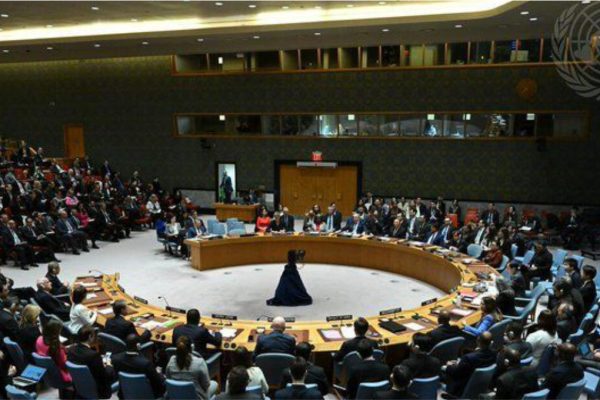
The exchange comes against the backdrop of persistent cross-border tensions, periodic drone strikes, and artillery duels that have kept southern Lebanon on edge. International mediators, including United Nations envoys, urged immediate restraint from both parties to prevent a full-scale war from reigniting across the Levant.