A Delhi trial court has discharged Arvind Kejriwal, former chief minister and AAP chief, along with Manish Sisodia and 21 others in the high-profile excise policy case, ruling that the prosecution failed to establish even a basic case for trial.
The order was passed by the Rouse Avenue Court, where Special Judge Jitendra Singh declined to take cognisance of the chargesheet filed by the Central Bureau of Investigation, citing major evidentiary gaps and “misleading averments.” The court noted there was no concrete material linking Kejriwal to any conspiracy and said serious criminal allegations must be supported by substantive evidence, not assumptions or narrative.
In strong observations, the judge criticised investigative lapses and even recommended departmental action against an investigating officer for arraigning an accused without material proof. The ruling effectively closes the corruption case at the trial stage, though the CBI has announced it will challenge the decision in the Delhi High Court, arguing key aspects of its probe were not adequately considered.
The case dates back to 2022 and centred on alleged irregularities in Delhi’s now-scrapped liquor policy. Prosecutors had claimed financial losses and undue benefits to private players, but the court held there was no evidence of criminal intent or overarching conspiracy.
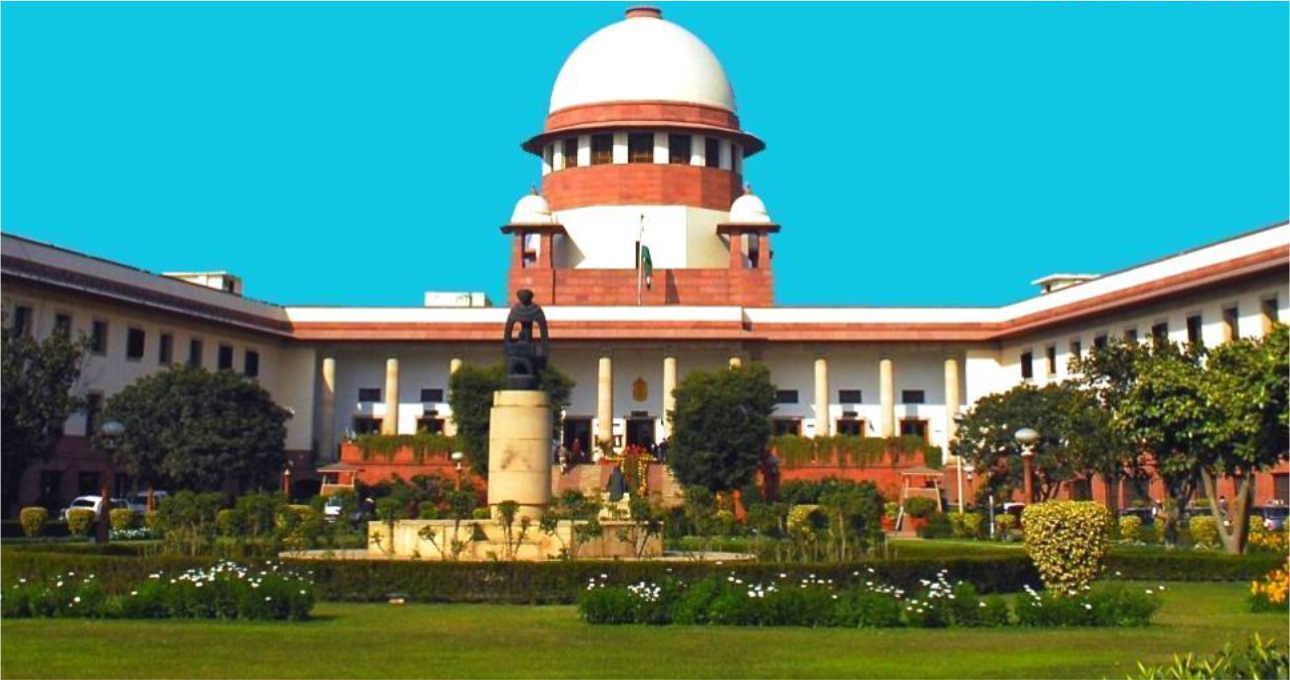
The verdict has also revived discussion about investigative authority powers under stringent laws such as the Prevention of Money Laundering Act. Courts, including the Supreme Court of India, have previously examined whether agencies like the Enforcement Directorate exercise arrest powers proportionately, amid concerns about overreach.
Political reactions remain divided, with supporters calling the ruling vindication and critics stressing it is a lower-court order subject to appeal.