June 24, 2025 — International Desk
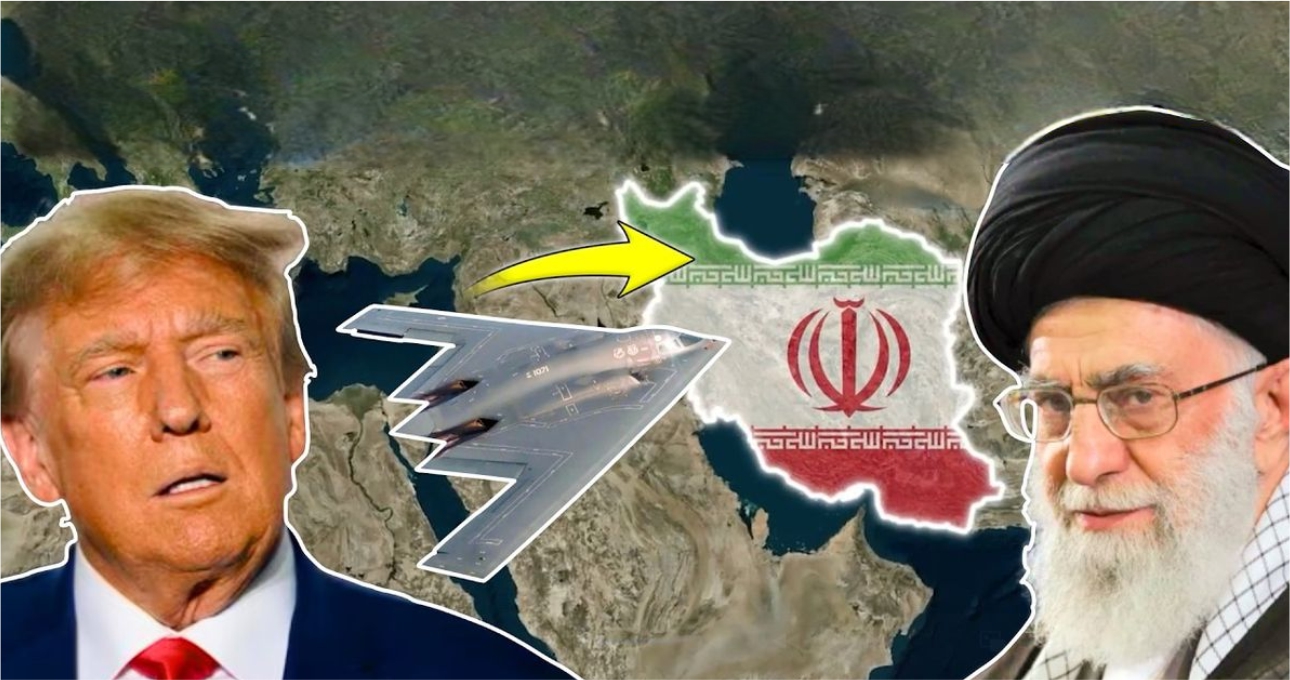
In a dramatic escalation, a U.S. B2 stealth bomber struck a nuclear facility in Iran earlier this week. However, Iranian officials have confirmed that the strike caused only minor structural damage and that uranium stockpiles remain intact and secure.
Following the strike, tensions between Iran and Israel surged to unprecedented levels. In what is now being described as one of the most intense retaliatory operations, Iran launched a barrage of long-range missiles targeting Israeli infrastructure. Sources confirm that Israel’s critical ammunition depots were heavily damaged, leading to severe shortages.
As the international community called for de-escalation, both nations agreed to a ceasefire, marking an end to one of the region’s most volatile periods in recent memory. Observers have labeled Iran’s response a “historic show of strength”, with many regional leaders acknowledging that Israel has never suffered such a direct and damaging assault.
In the aftermath of the conflict, Iranian authorities announced that their nuclear program will not be halted. In a statement, senior Iranian officials declared that Tehran will no longer cooperate with the International Atomic Energy Agency (IAEA), deepening global concerns about nuclear proliferation.
Meanwhile, classified sources within U.S. intelligence have acknowledged that Iran’s nuclear capabilities were set back by only a few months, failing to meet the mission’s objective of crippling Iran’s program. This has sparked debate in diplomatic and defense circles, with critics suggesting that the United States has emerged diplomatically and strategically weakened in this round of conflict.
As global powers assess the implications of this brief but fierce conflict, a new chapter in Middle East geopolitics is unfolding—one where Iran has reasserted itself as a force to be reckoned with, and America and Israel face scrutiny for their strategies and vulnerabilities.
More updates to follow as the situation develops.