In a significant development impacting global health governance, the United States has formally separated from the World Health Organization (WHO). The decision has drawn worldwide attention, as the US has historically been one of the largest financial contributors to the United Nations’ specialized health agency.
Following America’s exit, the WHO has issued an official notification to all remaining member countries, urging them to clear pending membership dues and ensure timely future payments. The move is aimed at maintaining financial stability and continuity of global health programs amid changing funding dynamics.
WHO officials emphasized that regular dues payments are critical for sustaining essential operations, including disease surveillance, emergency response, vaccination programs, and technical assistance to developing nations. The organization reassured member states that it remains committed to its mandate of promoting global public health, despite the financial gap created by the US withdrawal.
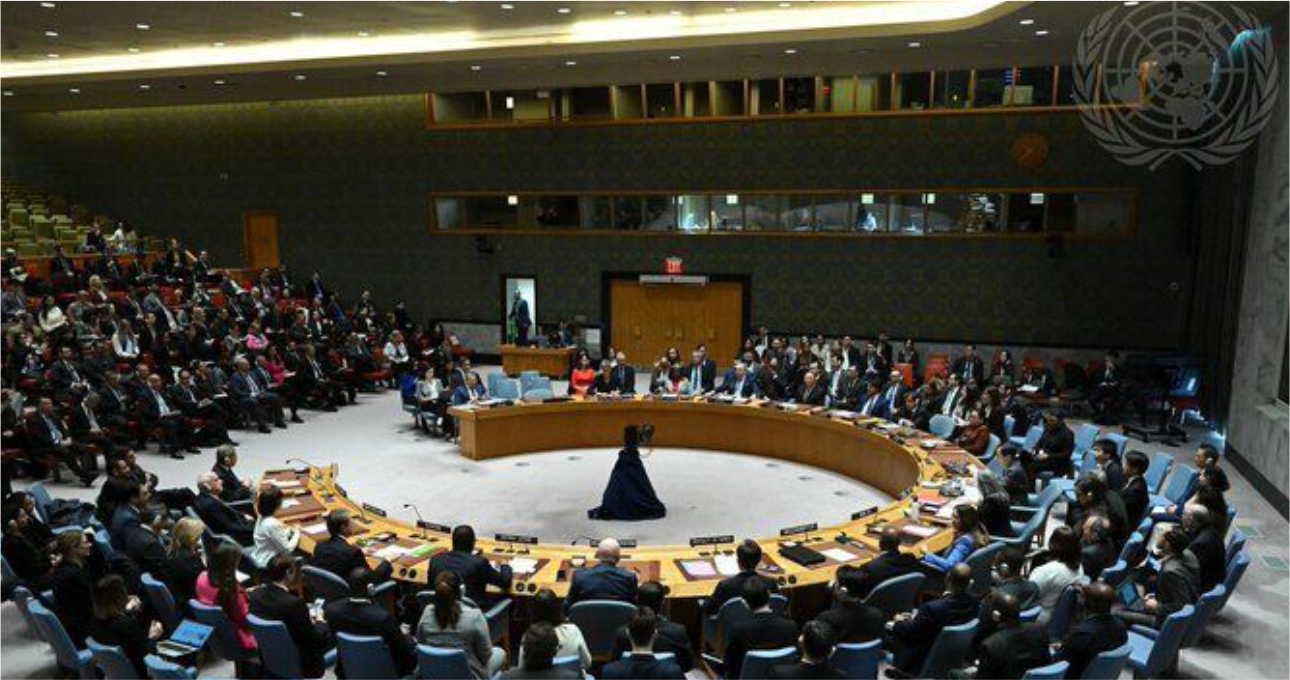
The separation of the United States has reignited debates around multilateral cooperation, global health leadership, and funding responsibility. Several health experts have warned that reduced funding could strain WHO’s ability to respond effectively to international health emergencies, particularly in low- and middle-income countries that rely heavily on its support.
At the same time, some member nations have called for stronger collective responsibility, encouraging countries to step up contributions to offset potential shortfalls. Diplomatic discussions are reportedly underway to ensure that ongoing health initiatives are not disrupted.
The WHO’s notification serves as both a reminder and a call for unity among member countries, highlighting the shared responsibility of safeguarding global health. As the international community adjusts to America’s departure, the focus remains on cooperation, financial accountability, and preparedness for future health challenges.
The coming months will be crucial in determining how the WHO adapts to this shift and how member nations respond to the call for sustained support in an increasingly interconnected world.