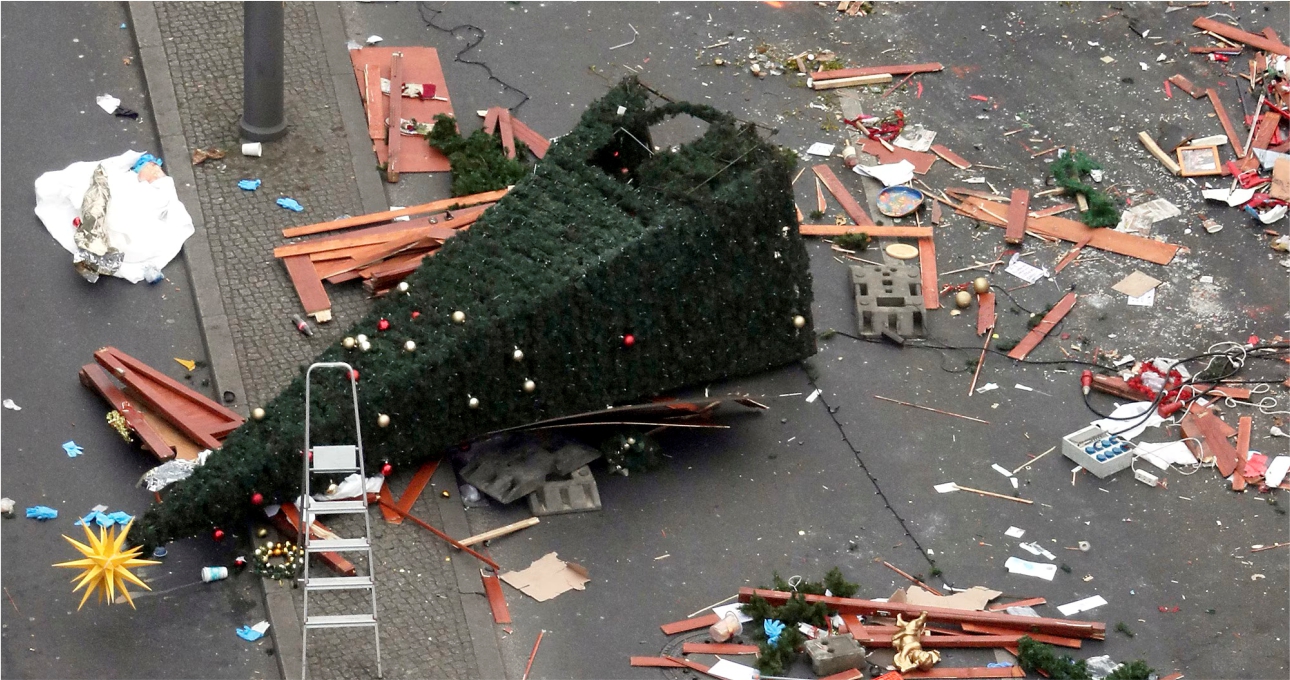
Several incidents of disruption and alleged attacks during Christmas prayer meetings and community gatherings have been reported from different Indian states, raising serious concerns among Christian groups, civil society members, and human rights activists.
According to community representatives, Christmas events held in homes, churches, and public halls were allegedly targeted by groups linked to Hindu extremist organisations, including Bajrang Dal. Witnesses claim that gatherings were interrupted, prayer services halted, and participants verbally threatened. In some locations, decorations were damaged and congregations were forced to disperse.
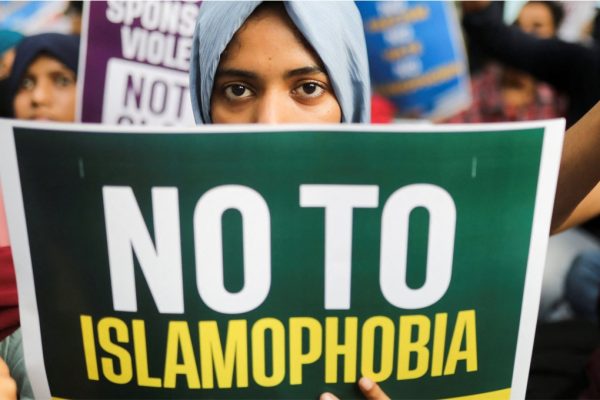
Activists allege that these acts reflect a wider pattern of intimidation against religious minorities in India. They argue that after Dalit and Muslim communities, Christians are increasingly facing hostility, especially during religious festivals. Community leaders claim that despite complaints being filed, there has been little or no effective action taken by local authorities so far.
Human rights groups have expressed concern over what they describe as a climate of fear. They state that freedom of religion, guaranteed under the Indian Constitution, is being undermined when peaceful religious events are disrupted without consequences for those responsible.
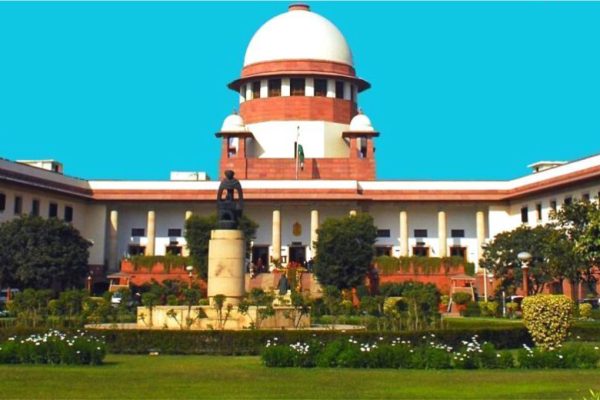
Opposition leaders and social activists have demanded impartial investigations into the reported incidents. They have urged state governments to ensure accountability and protect minority communities from violence and harassment. Some leaders have also called for clear instructions to law enforcement agencies to act swiftly against anyone attempting to incite religious hatred.
Meanwhile, government representatives and police officials in some states have denied allegations of bias, stating that law and order is maintained and that complaints are being examined as per procedure.
As the debate continues, community organisations are appealing for calm, dialogue, and stronger protection of constitutional rights. Observers note that how authorities respond to these concerns will play a crucial role in maintaining social harmony and public trust in democratic institutions.